
In Conversation With Elissa Hassan of Aquí Beirut
- Sheri Roushdy
- Features
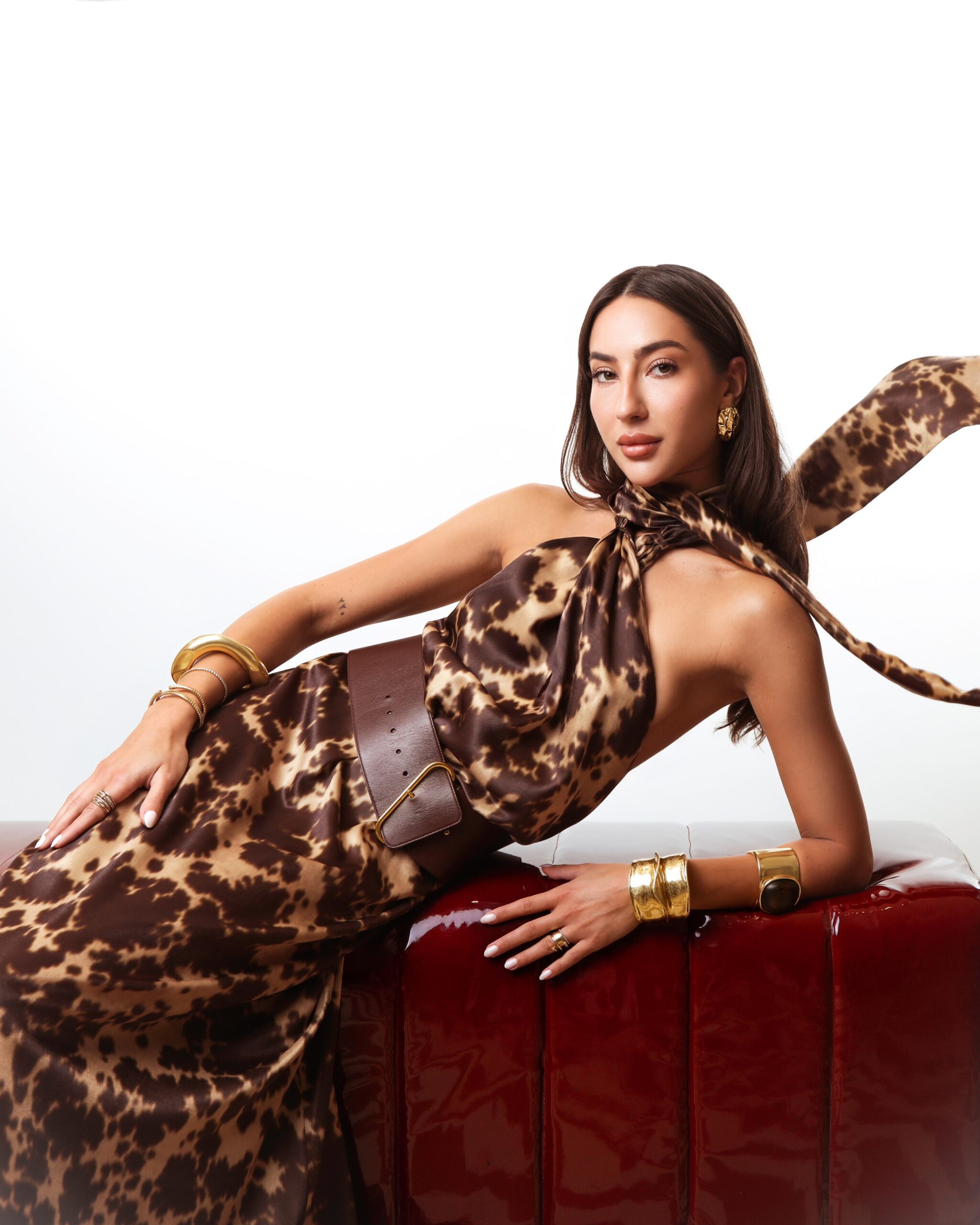
Aquí Beirut is not a brand that arrived loudly. It began as a small, organic project, two satin dresses and two tops, and sold out within the hour. Since then, it has grown into something harder to categorize: part fashion label, part cultural statement, part ongoing experiment in what it means to build with intention. Rooted in Beirut and fluent in a global design language, the brand occupies a space where Western silhouettes are translated through Lebanese craftsmanship rather than simply combined with it. The result is clothing that carries a sense of origin without being defined by it.
What makes Aquí Beirut distinctive is its refusal to expand for the sake of it. In a landscape driven by volume and virality, the brand has chosen precision, releasing less, but with greater clarity of vision. That ethos is inseparable from the person behind it. Elissa Hassan has been immersed in fashion since her early teens, interning at fashion houses at 13 and 14, and developing a sensibility that is less about trend and more about coherence. She approaches the brand as a system, one where creative direction and business strategy are not in tension but evolving together. That thinking now extends beyond the product itself. Through initiatives like the Fashion Founder’s Blueprint, she is building a platform where design, education, and curation exist within the same universe. In this conversation, she talks about the thinking behind Aquí Beirut, where it came from, and where it is going.
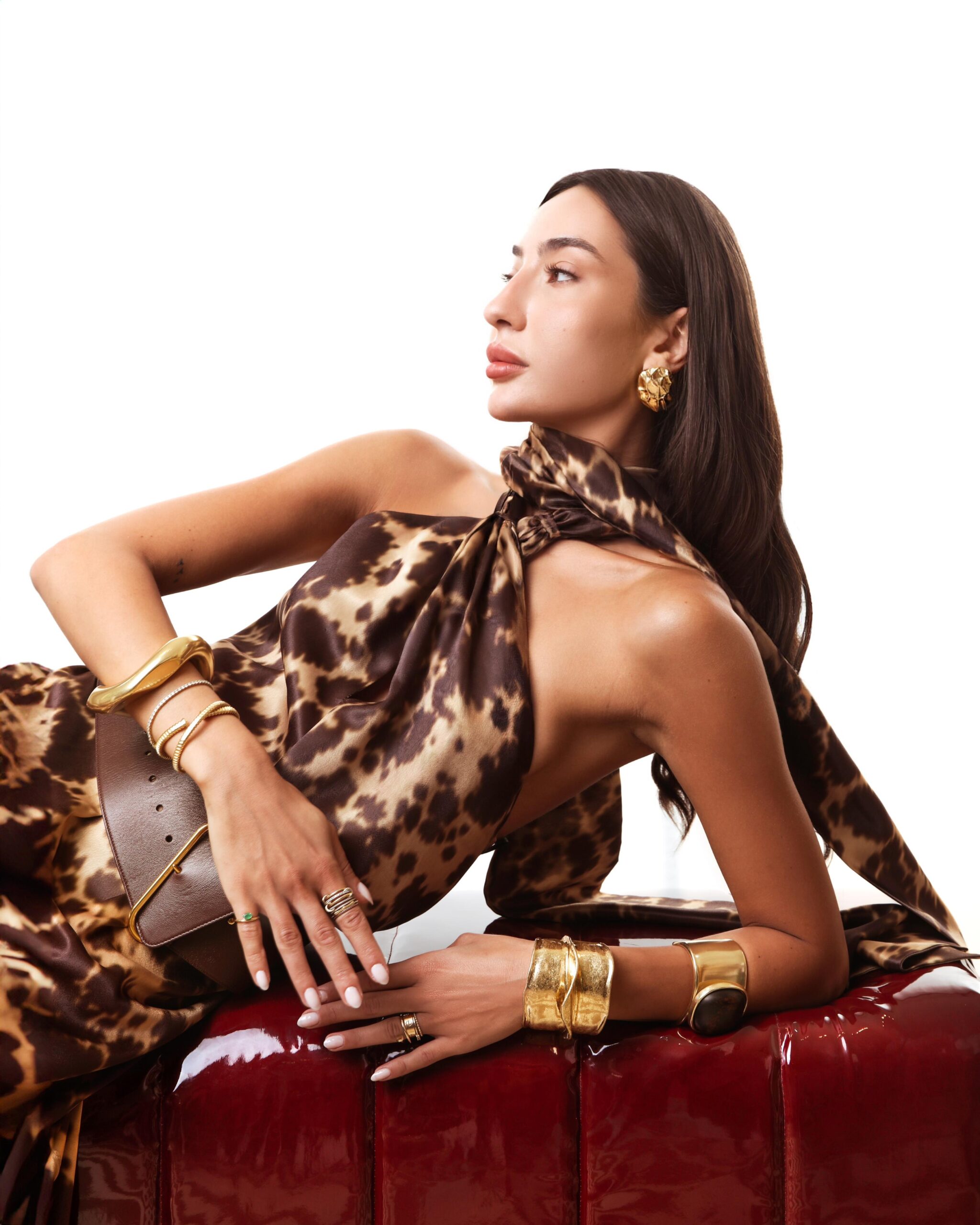
Photo provided by Aquí Beirut
You originally started on a pre-med track before launching Aquí Beirut. What made you take the risk of leaving that path and committing fully to fashion?
I didn’t experience it as leaving one path for another. When it started happening, it felt more like alignment.
I’ve been immersed in fashion from a very young age: through my upbringing, my family’s background, and even early exposure to the industry, interning at fashion houses when I was 13 and 14. So when Aquí began to take shape, it didn’t feel like a shift, but a continuation of something that had already been building over time. It felt aligned with my whole life trajectory.

Photo provided by Aquí Beirut
Aquí began as an Instagram thrift page during lockdown and quickly grew into a full fashion brand. At what moment did you realize this side project could become something much bigger?
Aquí began as something very organic, but the shift happened with the first collection I ever released under the brand. It was a small drop (two satin dresses and two tops) but there had already been a level of anticipation building. When it launched, it sold out within the first hour, with over 500 orders placed.
That moment completely reframed things for me. I remember spending the entire week of Christmas with my parents, packing orders and working through the night. It was intense, but it made it very clear that this was no longer a side project, it had real demand, and it required structure, scale, and intention.
You come from a family where fashion was already present, with both your mother and grandmother involved in the field. Do you feel that influence shaped your taste from the beginning, or did you develop your own vision later on?
I was definitely exposed to fashion early on, but exposure doesn’t automatically translate into taste. I think what shaped me more was learning to refine instinct into intention. Over time, I developed my own lens: one that’s less about trend and more about coherence and longevity.

Photo provided by Aquí Beirut
As founder and creative director, you oversee everything from design to marketing to production. How do you balance the creative side of building a brand with the business side of running one?
I don’t see them as separate. The strongest creative decisions are often the most strategic ones, and the most effective business decisions are rooted in clarity of vision.
What I focus on is building systems that allow both to exist simultaneously. This is actually something I expand on in the Fashion Founder’s Blueprint, where I break down how creative direction and operational structure need to evolve together for a brand to scale.
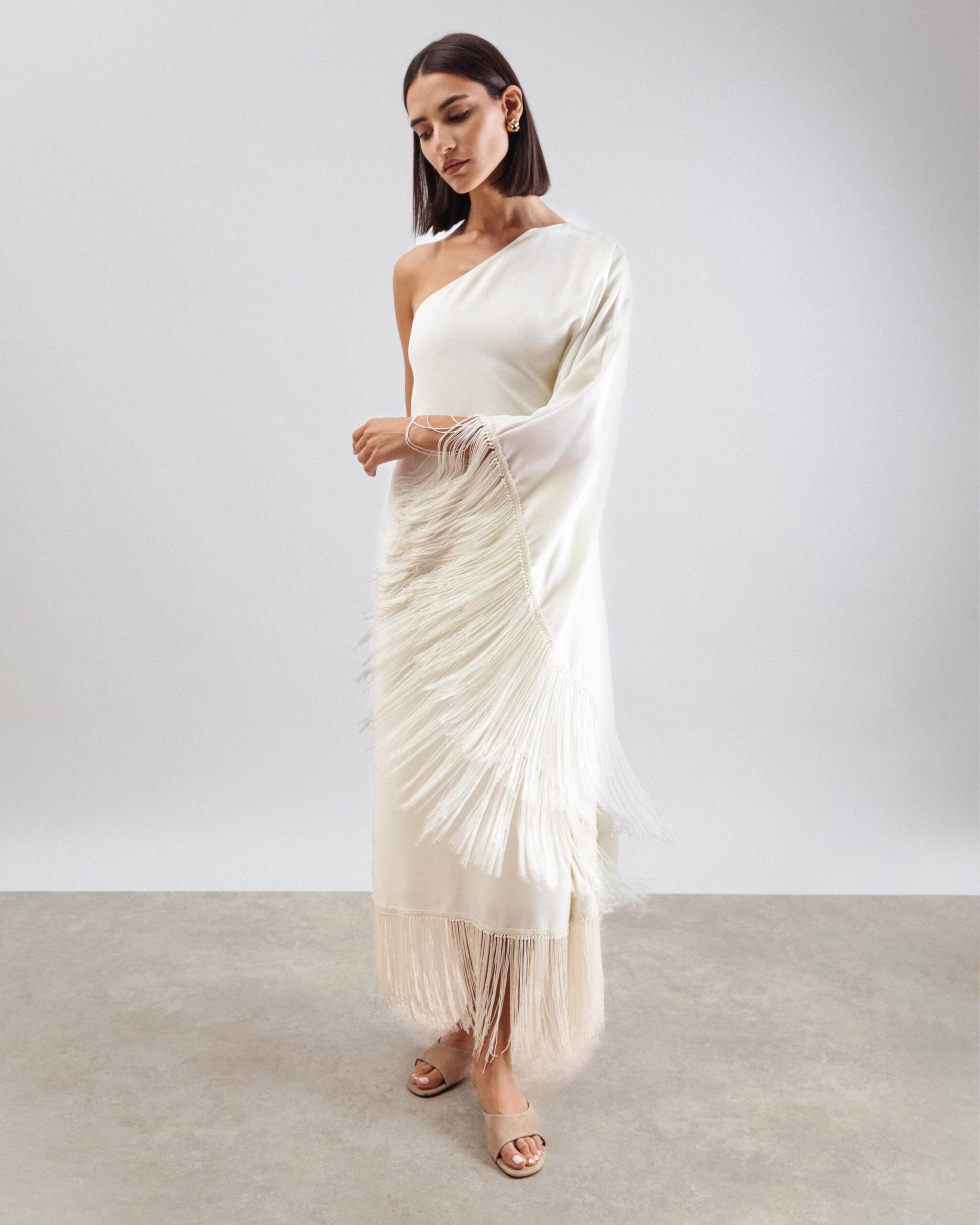
Photo provided by Aquí Beirut
Aquí Beirut is often described as blending Western silhouettes with Lebanese craftsmanship. How do you approach that balance without losing the authenticity of either side?
It’s less about “balancing” and more about translating. I approach design by asking how a silhouette can carry a certain cultural sensitivity without becoming costume-like. The goal is to create pieces that feel globally relevant but still carry a sense of origin in the way they are shared and the story behind them.
You are also known for mentoring young designers and teaching masterclasses about building a fashion brand. What made you want to share your experience instead of keeping that knowledge to yourself?
Because I realized most emerging designers don’t fail creatively, they fail structurally. There’s a gap between having taste and knowing how to build a brand around it. Even in fashion programs around the world, there is a sort of negligence when approaching the business aspect of fashion. That’s what led me to develop frameworks like the Fashion Founder’s Blueprint, where I focus on giving designers the tools to actually execute, not just create.
Your work often focuses on storytelling as much as product. When you create a collection, do you start with a narrative, a mood, or a specific piece you want to build around?
It usually starts with a system, not a single element. A collection needs internal logic: how pieces relate to each other, how they’re worn, and how they evolve over time. The narrative and mood come from that structure, not the other way around.
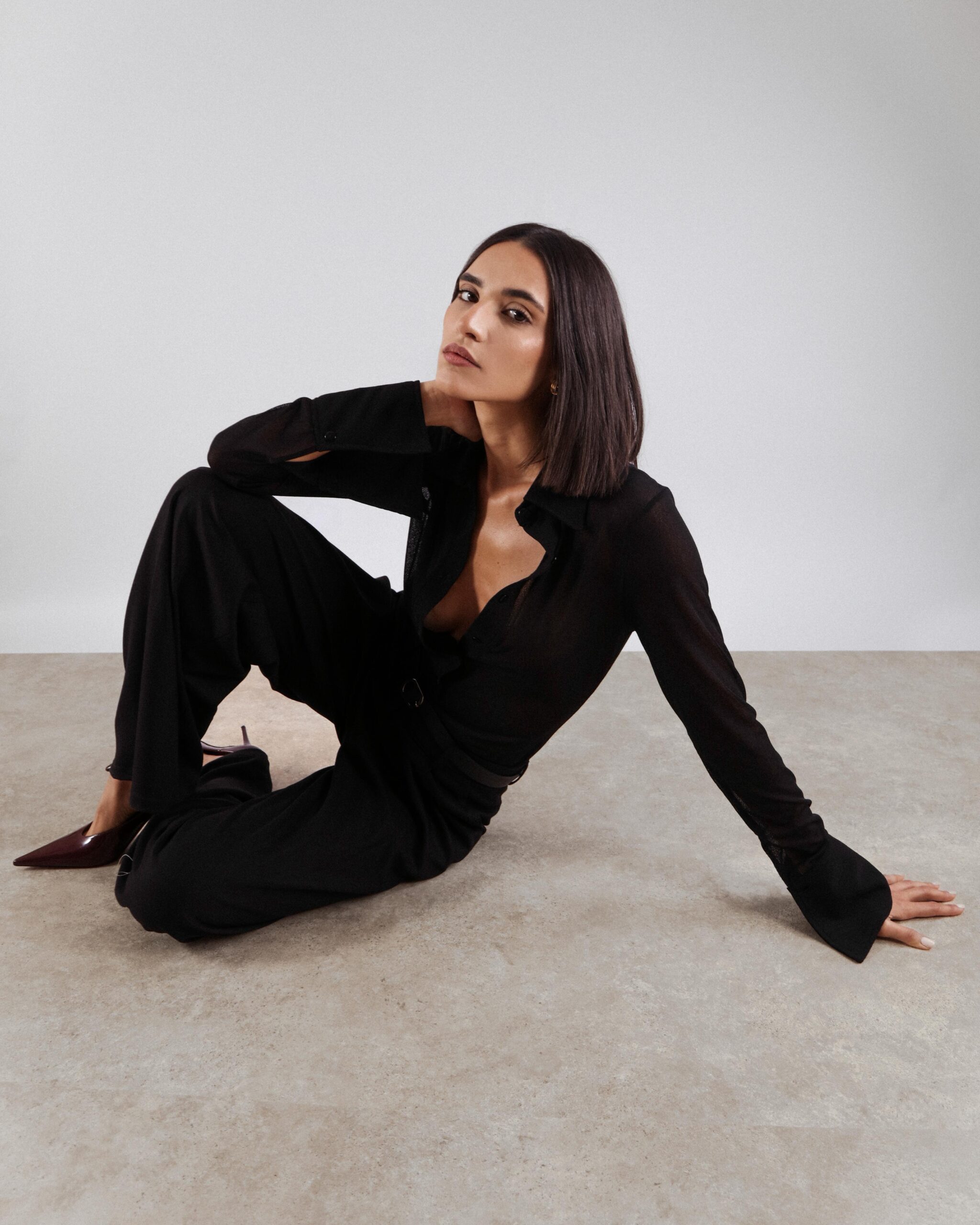
Photo provided by Aquí Beirut
Having built a brand largely through social media and community, how important is direct connection with your audience to the way you design and release collections?
Community and social media are essential, but not in the most obvious way. I don’t design for the audience, but I pay close attention to how they respond to pieces, how they wear them, interpret them, and integrate them into their lives. That creates a feedback loop that informs future decisions without ever compromising the brand’s direction. What I often see with emerging designers is a tendency to either ignore that feedback entirely or overreact to it: constantly shifting direction from one season to the next. For me, the key is balance: staying grounded in a clear vision, while using real data and real behavior to refine and strengthen it over time.
Beirut seems to play a strong role in the identity of your brand. How does the city itself influence the way you design, create, and think about fashion?
Beirut has a certain rawness and contrast that inevitably influences how I think about design. There’s a mix of effortlessness and intensity here that pushes you to create with both sensitivity and resilience. It shapes not just the aesthetic, but the way I approach building something long-term.
In a way, Beirut is also where I find the most focus. It’s a city that pushes you to keep going, both despite, and because of, everything happening around you.
Looking back at the early days of Aquí, is there something you believed about fashion or business then that you see completely differently now?
Early on, I thought growth came from expanding, more designs, more variety. Now I understand that growth comes from precision. Fewer, better decisions compound much more effectively than constant output. Less really becomes more when everything has intention.
Photo provided by Aquí Beirut
When you think about the future of Aquí, do you see it growing as a label, or evolving into something broader, like a platform for design, education, and creative collaboration?
I definitely see it evolving beyond a label. The goal is to build an ecosystem, where product, education, and curation all exist within the same universe.
That’s where projects like Small Matter come in on the product side, and the Fashion Founder’s Blueprint on the educational side. The Blueprint is essentially a structured framework for building a fashion brand: focusing on the intersection between creative direction and business strategy, and how the two need to evolve together.
Together, they allow the brand to move from being just a fashion label to becoming a platform for taste and creation.