
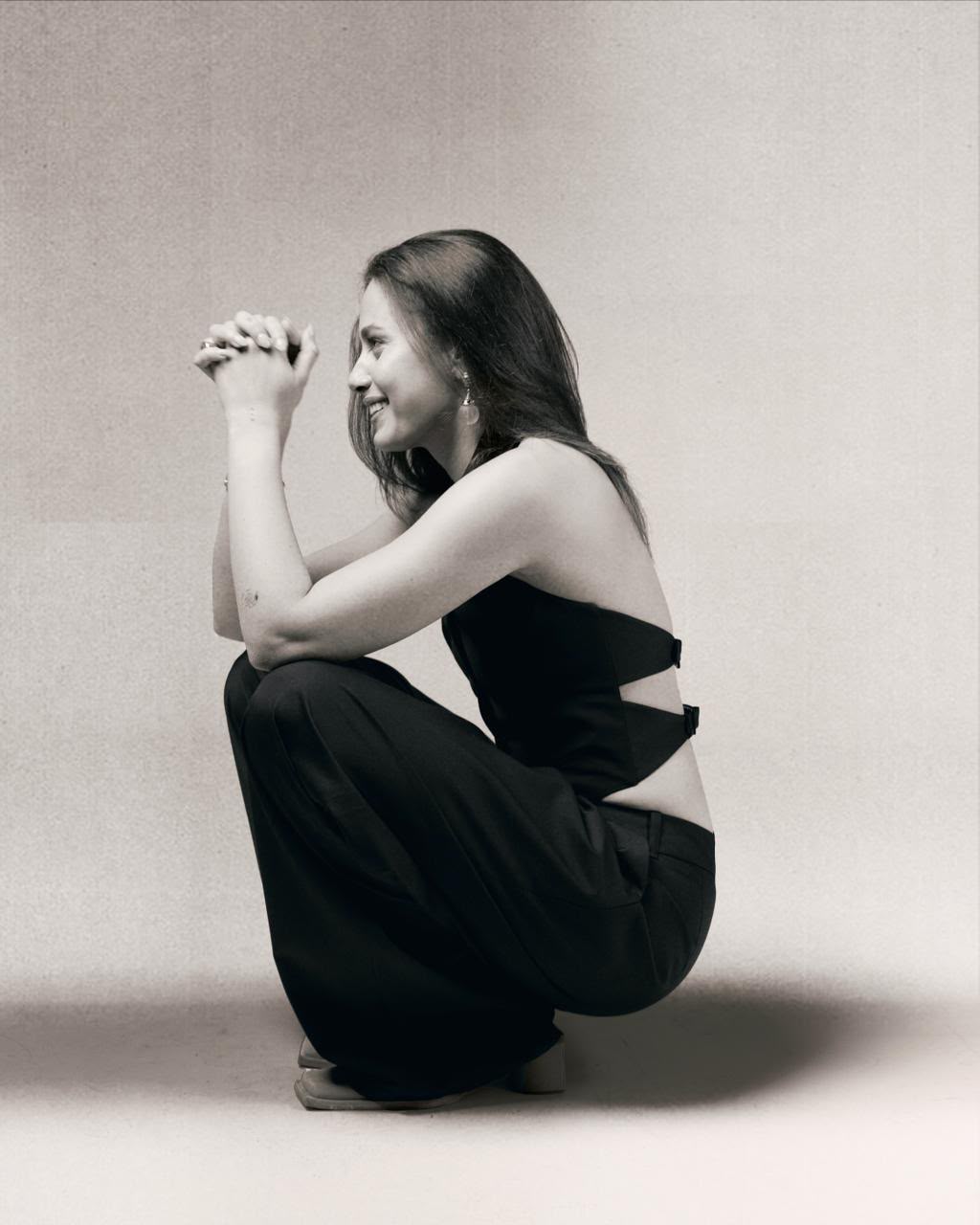
Hana Nached on Building Brands, Shaping Identities and Finding Her Creative Voice
- Sheri Roushdy
- Features
On creative instinct, visual storytelling, and the relationship between aesthetics and strategy.
“I just followed my instinct.”
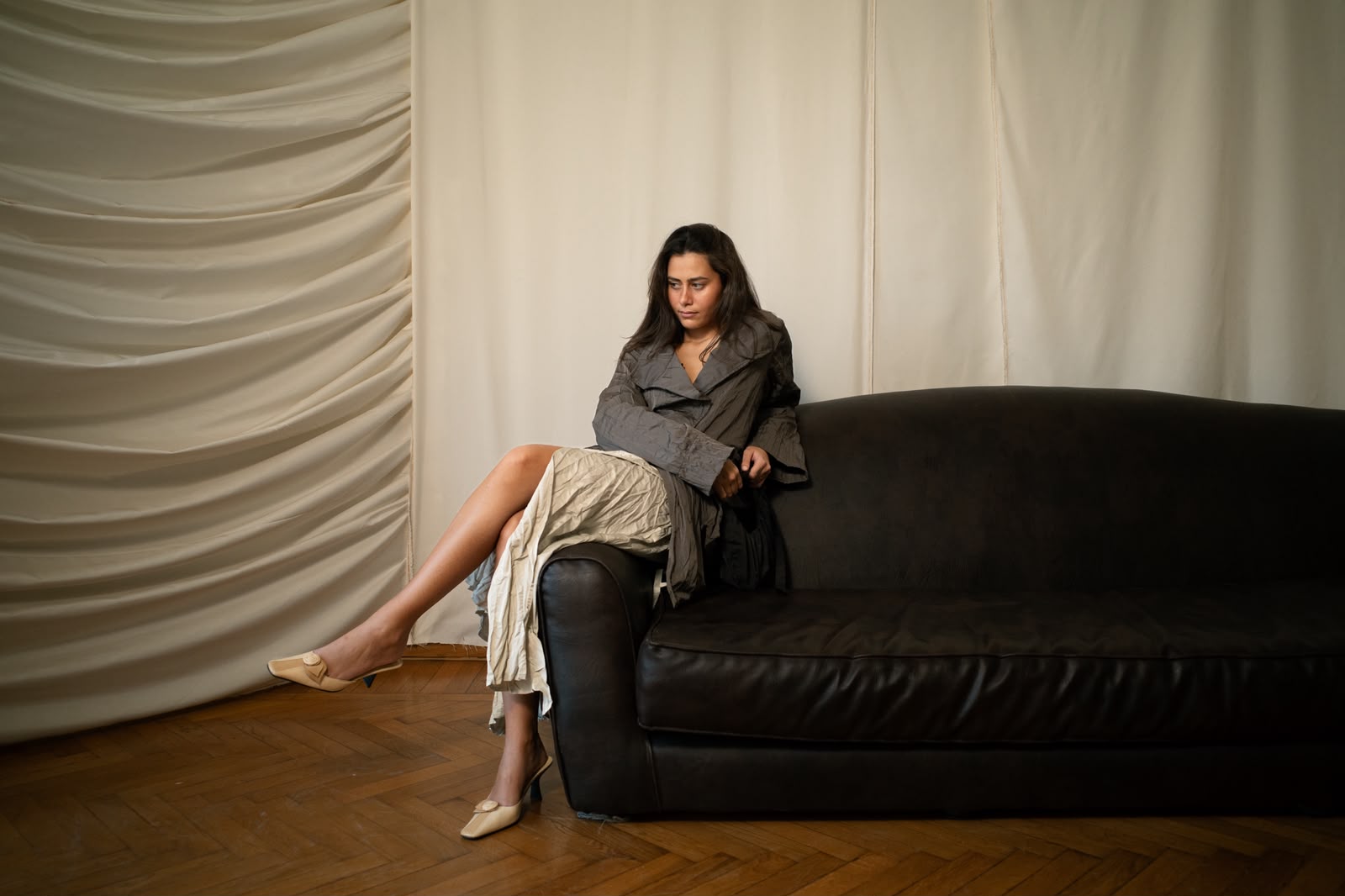
Photo provided by Hana Nached
For Hana Nached, that instinct began with the way she saw the world: the framing of a glass of water, the corner of a building, the particular quality of light along the Côte d’Azur. What started as an interest in visual composition, shared through Instagram, eventually led her into creative direction, brand strategy, and consultancy. Her entry into the industry was anything but conventional. Having studied economics and management in Nice, Nached had no formal training in production or art direction when she was approached to work on her first fashion campaign. With a budget of around $800, she organised the shoot herself. It was, in her words, “the beginning of everything.”
That early willingness to learn by doing continues to inform her approach today. Having spent five years working across social media, e-commerce, art direction, and digital strategy, she understands the creative process from both sides: the instinct behind an image and the business objectives that give it purpose. “When the strategy is strong, creativity and business don’t compete with each other. They support each other.” Now working across brand consultancy and rebranding, Nached brings that thinking to businesses in fashion and beyond. We spoke to her about finding her creative eye, building a career without a predetermined path, and the opportunities ahead for the region’s fashion industry.
When did you first realise your relationship with fashion was becoming something more than an interest?
It probably started when I moved to Nice to study economics and management. At the time, I had absolutely no intention of working in fashion and didn’t really know what I wanted to do. Around 2016, Instagram was still relatively new, and the conversations around visual identity and aesthetics that we have today weren’t really happening in the same way. I started posting things I found visually interesting, sometimes something as simple as a glass of water or the corner of a building. I was always conscious of how I framed things, and without really planning it, my page developed a visual identity that people responded to.
Living on the Côte d’Azur influenced me, too. The light, the colours, and being by the water almost every day made me more aware of visuals and atmosphere. I think the sea brings something out of me creatively. The turning point came when Farah Seif approached me about her brand launch. She had seen my Instagram and liked my perspective. I had no idea what production, styling, or creative direction involved, but with a budget of around $800, I organised the entire shoot. I flew in a model from Switzerland and convinced her to stay in my tiny one-bedroom apartment, which was more like a room than an apartment. I hired a photographer who was also a makeup artist and asked a friend to shoot the behind-the-scenes content. I didn’t even know what BTS meant back then. Looking back, I had no structure or experience; I just followed my instinct, and that shoot became the beginning of everything.
How did that first campaign evolve into the career you have today?
I didn’t consciously choose creative or art direction. It was something I gradually grew into. After university, I moved back to Egypt and joined a company where I stayed for about five years. I started in a relatively small social media role, posting content, coordinating product shoots, and communicating feedback to photographers. Over time, my responsibilities expanded to include art direction, e-commerce strategy, website development, the brand’s app, digital strategy, and marketing. By the end, I was overseeing almost everything the customer encountered, from the digital experience to the campaigns.
That experience gave me a 360-degree understanding of how a brand operates. Something people might not expect about me is that I genuinely enjoy the analytical side of the business. Analysing numbers, understanding performance, and seeing how campaigns convert gives me a different perspective and helps me understand the bigger picture. It balances the creative side and gives me something else to focus on when I need a break from the constant pressure to create.
Creative work can look effortless from the outside, but the reality is often quite different. What do you think people misunderstand about working in this industry?
I think people underestimate how demanding it actually is. From the outside, working in fashion or a creative field can look like a lot of fun, but in reality, it requires an enormous amount of time and energy. You’re constantly expected to produce something new, something fresh that captures attention. With social media, that pressure is even greater because everything moves so quickly. It can be incredibly exciting, but it can also be exhausting. Creativity is something you constantly have to renew, and if you’re not evolving or adapting, you risk falling behind very quickly.
Beyond fashion, what continues to influence your creative perspective?
Travel is one of my biggest sources of inspiration. Experiencing different environments and cultures constantly resets your perspective and makes you see things differently. Cinema has also influenced the way I look at things. Once you work in a creative field, you start noticing how a scene is framed, why a particular angle is chosen, or how an object in the background contributes to a moment. I also enjoy listening to artists, designers, entrepreneurs, and people in completely different industries talk about their processes and how they got to where they are. Understanding how other people think can challenge your own perspective in unexpected ways.
Architecture is another major influence. I recently moved into a new home and ended up designing much of it myself, from selecting carpets to discovering new artists and choosing interior elements. That process made me realise how much I enjoy thinking about space, proportion, texture, and structure. Those interests translate naturally into my work, too.
How do you balance your creative perspective with the commercial needs of a brand?
For me, it always starts with strategy. Before thinking about creative direction, I want to understand the brand, its audience, and what it actually needs. Once that foundation is clear, it becomes much easier to shape the creative work. Rather than compromising my perspective for commercial demands, I try to shape it around the strategic needs of the brand. When the strategy is strong, creativity and business don’t compete with each other. They support each other.
Your work now spans consultancy, rebranding, and different industries. What does your approach to building a brand look like?
My work focuses on how a brand presents itself: its visual identity, storytelling, positioning, and overall image. That might involve creative direction, marketing initiatives, brand strategy, or a complete rebranding. Fashion was my entry point, but I’ve also worked with homeware, interiors, and companies working with materials such as glass and metal. Exploring different industries has been enriching because, at their core, brands often face similar challenges, regardless of what they sell.
I describe my practice as boutique. I’m not really an agency; I’ve built my work around my own perspective and approach. In many ways, I’ve made myself the brand, which means the value I bring is directly reflected in the work. Ultimately, I offer a strong eye and an understanding of how a brand should position itself strategically, with the goal of helping it grow into its next stage. Integrity is equally important to me. I always try to treat the brands I work with as if they were my own.
How would you define the visual language that sets your work apart?
What remains consistent in my work is my attention to the final frame and composition. At the same time, I don’t believe in imposing one visual style on every brand. Some projects call for something softer and more minimal, while others need sharper compositions or more dramatic lighting. My approach adapts to the brand I’m working with. Ultimately, it’s about knowing when an image feels right and when it communicates the identity you’re trying to build.
How do you see the Egyptian and regional fashion landscape evolving, and what do you think is still needed for local brands to reach a wider international audience?
The fashion landscape in Egypt and across the region is evolving quickly, and there are already many strong brands emerging with clear creative identities. What we’re still developing is the industry know-how: understanding international production standards, brand positioning, and how to operate on a global level.
The talent and craftsmanship are already here. The next step is strengthening production, creating better mentorship opportunities, and increasing international visibility through PR, collaborations, and global exposure. Once those connections become stronger, I believe many regional brands will reach much larger audiences.
Is the global fashion industry beginning to see Middle Eastern creativity differently?
I think the perception is shifting. There’s growing curiosity about what’s happening in the region, particularly in Egypt, and about the creatives, brands, and cultural perspectives emerging from here. People in the global industry are increasingly looking towards the Middle East for fresh ideas. The region brings a different perspective, combining cultural depth with a new generation of creatives developing their own visual language. The spotlight is gradually shifting towards the region, creating opportunities for new voices to emerge.
What advice would you give young professionals in Egypt who want to build a career in fashion or the wider creative industry?
My biggest advice would be not to specialise too early or limit yourself to one thing. Be resourceful and willing to wear many hats. Understanding creativity, strategy, production, marketing, e-commerce, and analytics gives you a much clearer picture of how a brand operates. Early in your career, say yes to opportunities and take on responsibilities beyond your job description. Being exposed to different parts of a company is what helps you understand the bigger picture.
It’s also important to choose carefully who you work for and who you work with. Look for environments where you’re encouraged to learn and grow. Starting in a startup can be particularly valuable because you get to see what it takes to build something from the ground up. Just as importantly, be easy to work with. Listen, collaborate, treat people well, and stay hungry for the work: hungry to improve and hungry to do better. The industry is demanding, and adaptability is essential. The people who succeed are usually those who keep evolving with it.
Years from now, when people hear your name, what do you hope comes to mind?
I’d like people to remember me as someone who was easy to work with and genuinely brought value to the brands I worked with. This industry can be intense, so being collaborative, respectful, and reliable is incredibly important to me. I hope the people I’ve worked with feel that I helped their brands grow, evolve, and reach a stronger position than where they started.
What excites me most is helping a brand move from one stage to another, refining its image, strengthening its positioning, and building something more complete and aligned. If people remember me as someone who helped push brands forward and someone they genuinely enjoyed working with, I think that’s the goal.