
Gucci Returns to New York With GucciCore, Demna’s Defining New Chapter for the House
- Fashion
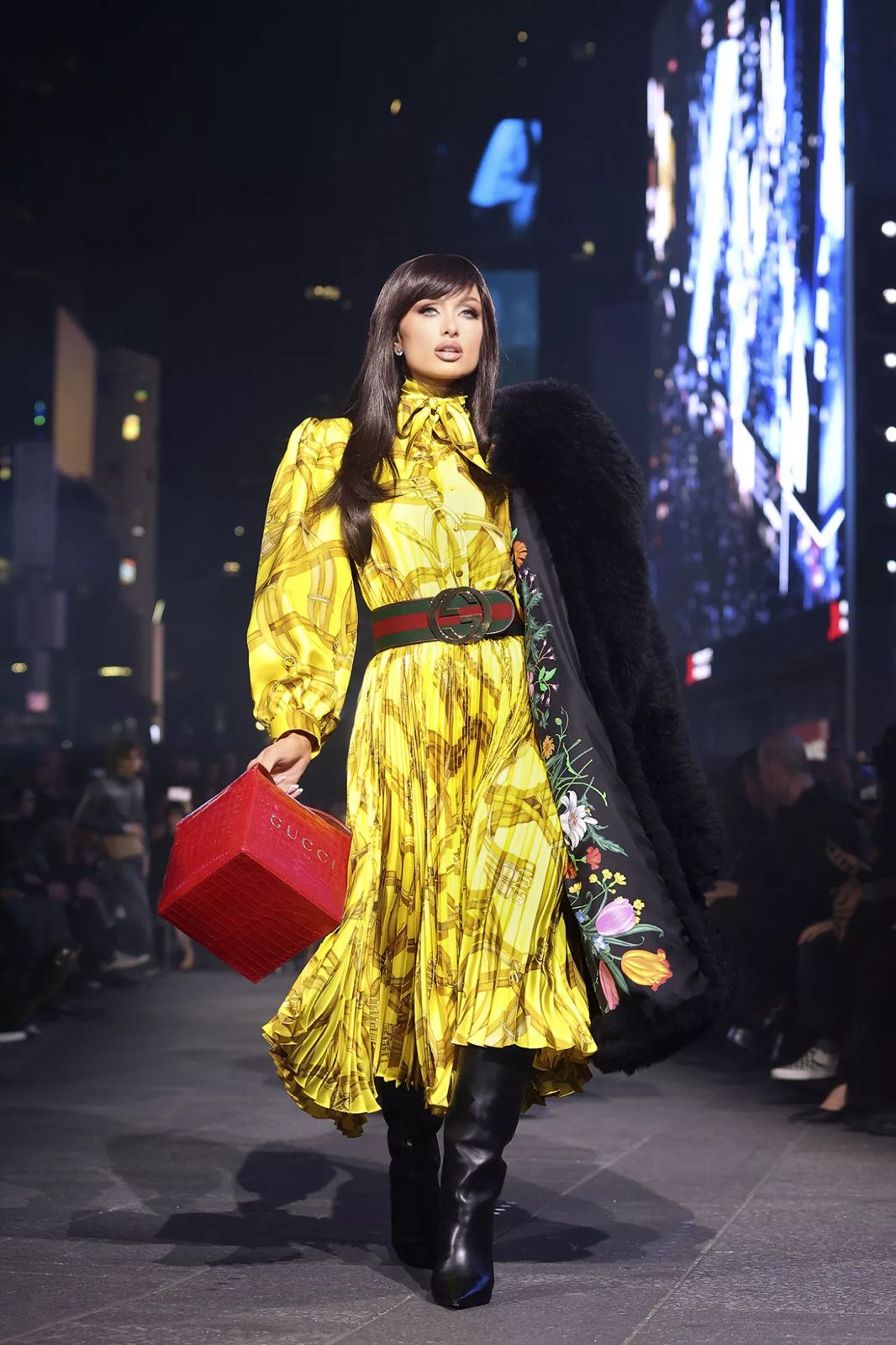
Under the electric glow of Times Square’s towering billboards, Gucci unveiled GucciCore, Demna’s first Cruise collection for the House and one of the most anticipated fashion debuts of the season. Staged in the heart of New York City, the show transformed one of the world’s busiest intersections into a cinematic reflection of Gucci’s evolving identity.
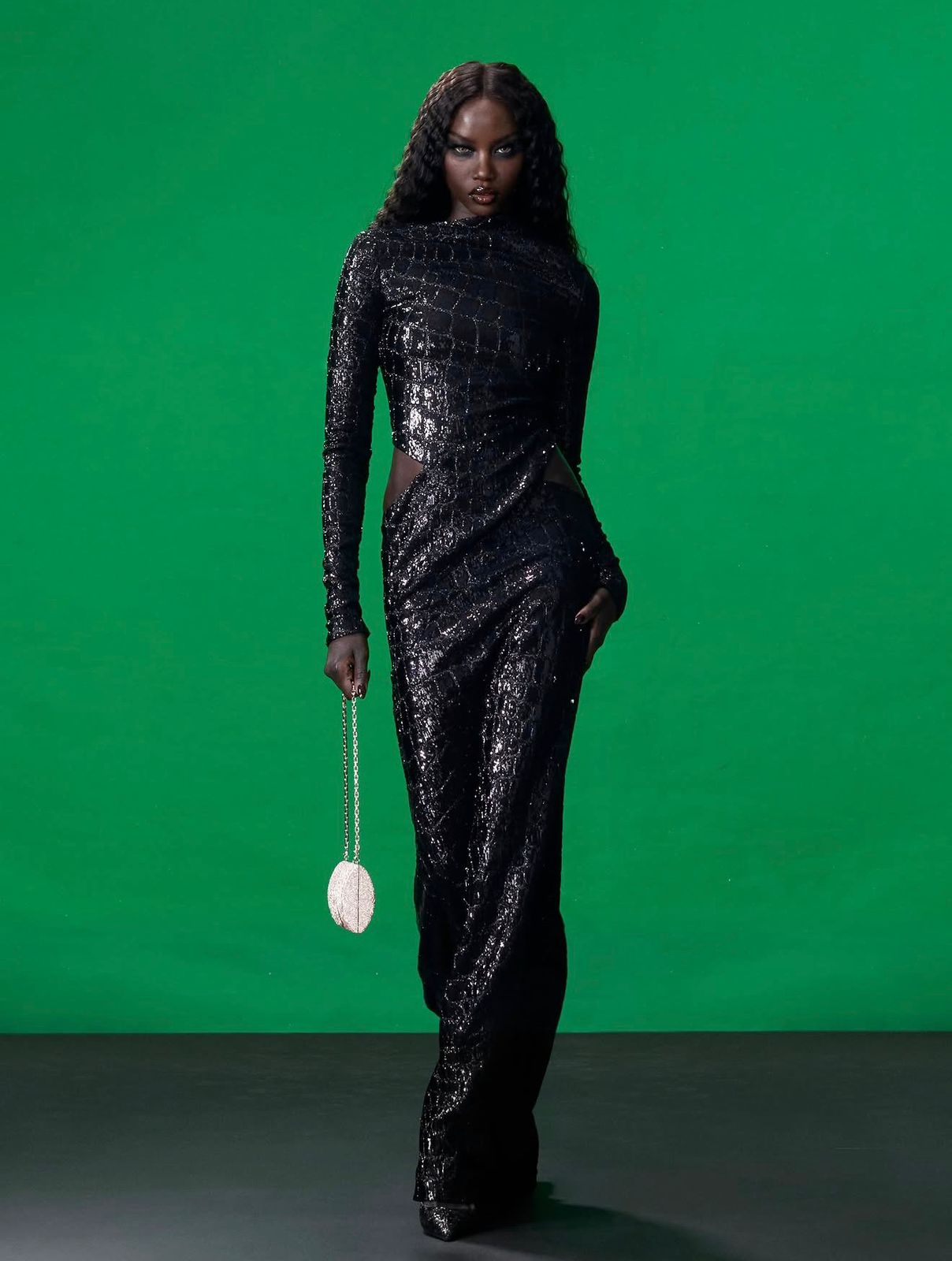
Photo provided by Gucci
For Gucci, the choice of New York was deeply symbolic. The House first arrived in the city in 1953 with the opening of its Fifth Avenue flagship, marking its first store outside Italy. More than seven decades later, GucciCore felt less like a destination show and more like a homecoming. 
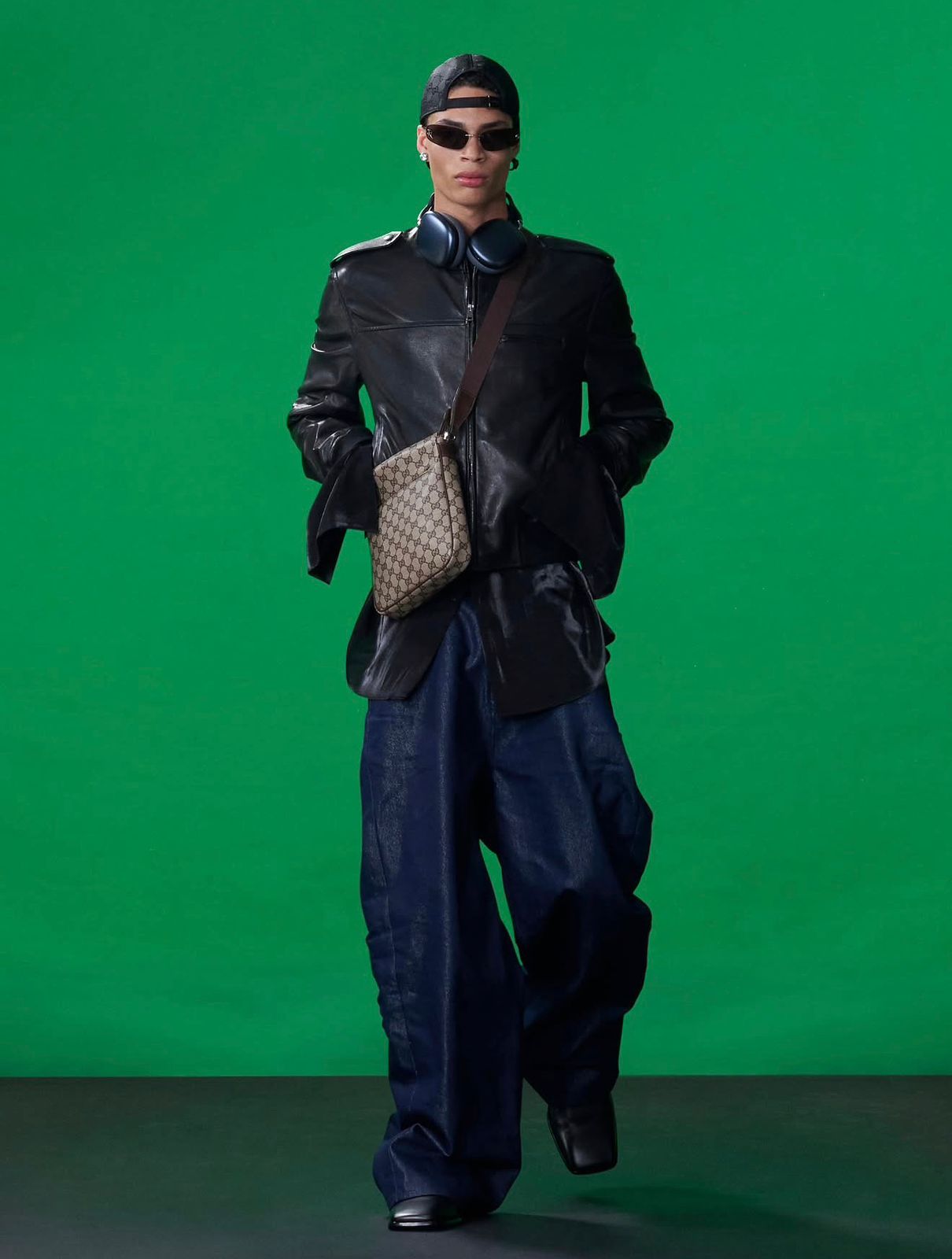
Photo provided by Gucci
Demna approached the collection as both a study of New York and a redefinition of Gucci’s core wardrobe. In his accompanying manifesto, the designer described the collection as “the 4th act” of his ongoing character studies, bringing together the visual worlds of La Famiglia, Generation Gucci, and Primavera into one cohesive vision.  The result was a wardrobe grounded in realism yet charged with the unmistakable drama that has long defined both Demna and Gucci.
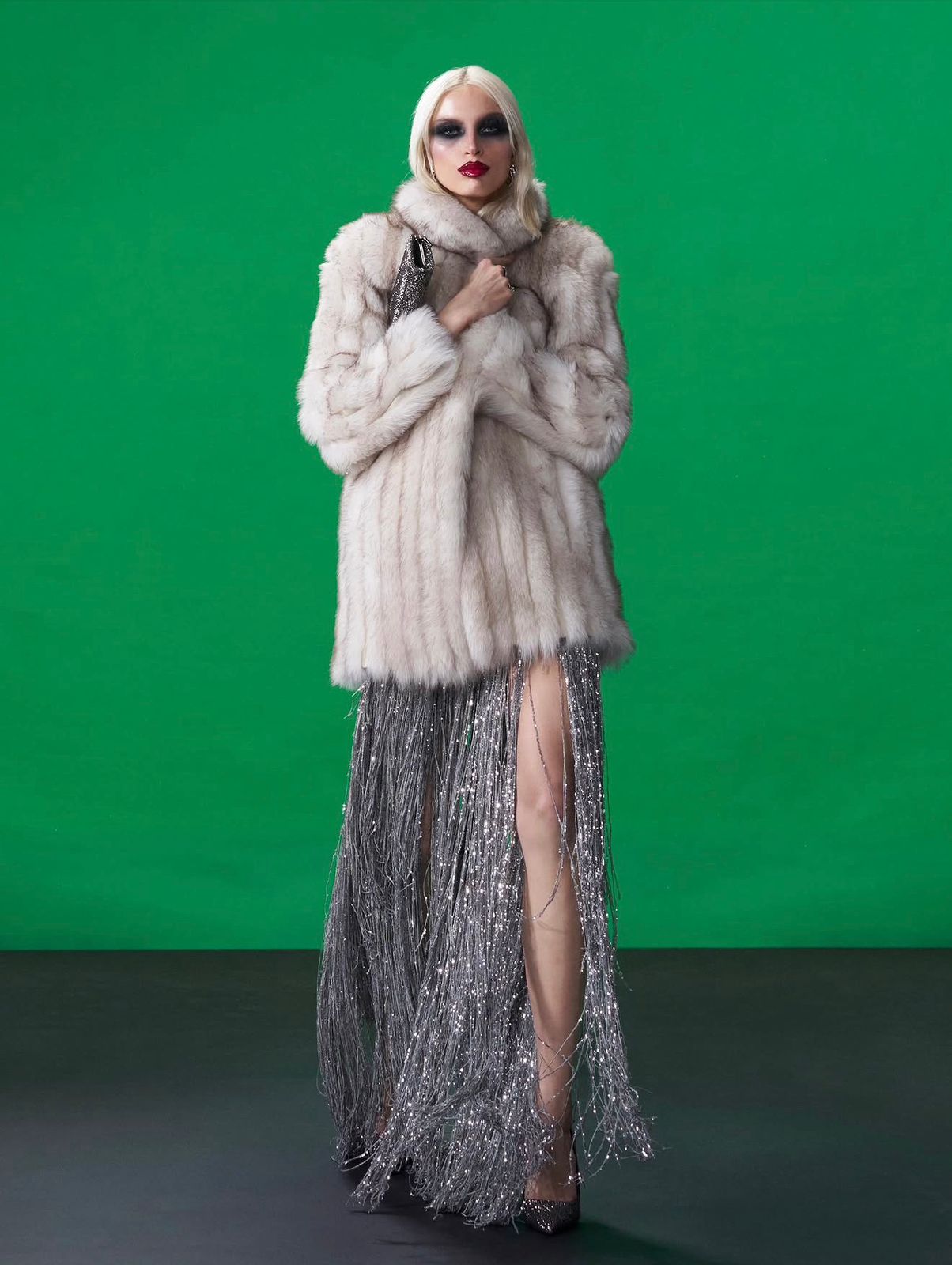
Photo provided by Gucci
The runway itself reflected the city’s layered personalities. Models walked through Times Square embodying archetypes one might encounter across Manhattan and beyond: stockbrokers in sharp pinstripes, uptown socialites wrapped in sweeping shearling, skaters in oversized tailoring and slouchy denim, and impeccably polished women in sculpted gowns and razor-sharp pantsuits. Rather than presenting a singular Gucci character, Demna proposed a cross-section of New York life — a collision of identities, attitudes, and personal uniforms.
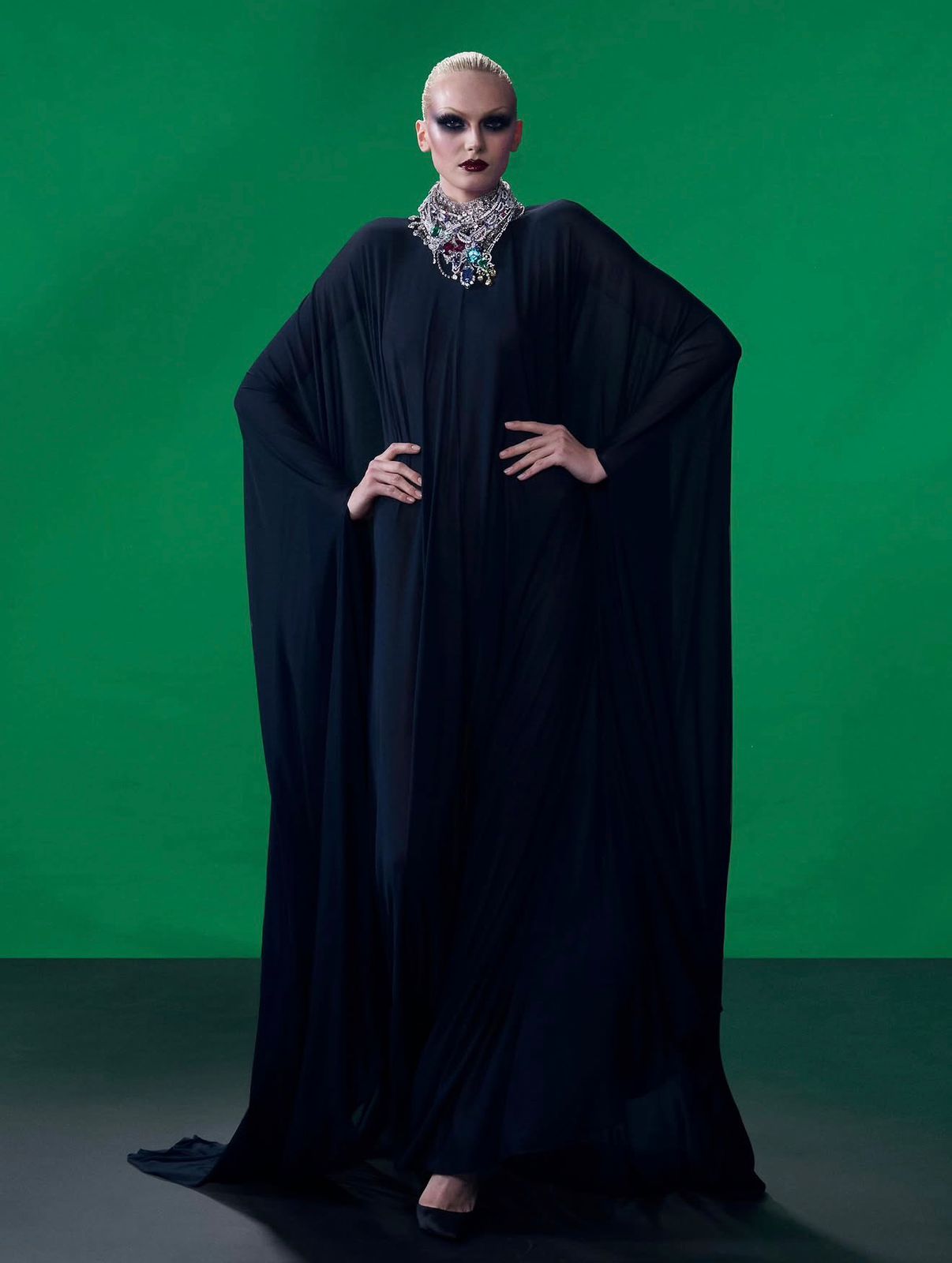
Photo provided by Gucci
Throughout the collection, classic House signatures were reimagined through Demna’s precise lens. The Web stripe appeared as bandeau tops, horsebit hardware transformed into stirrup-like details on severe heeled boots, and handbags arrived in glossy jewel-toned leathers and exaggerated slouchy silhouettes.  Tailoring remained central, balanced by exaggerated outerwear, feather embroidery, croc-scale sequins, and moments of deliberate extravagance woven into otherwise pragmatic dressing.
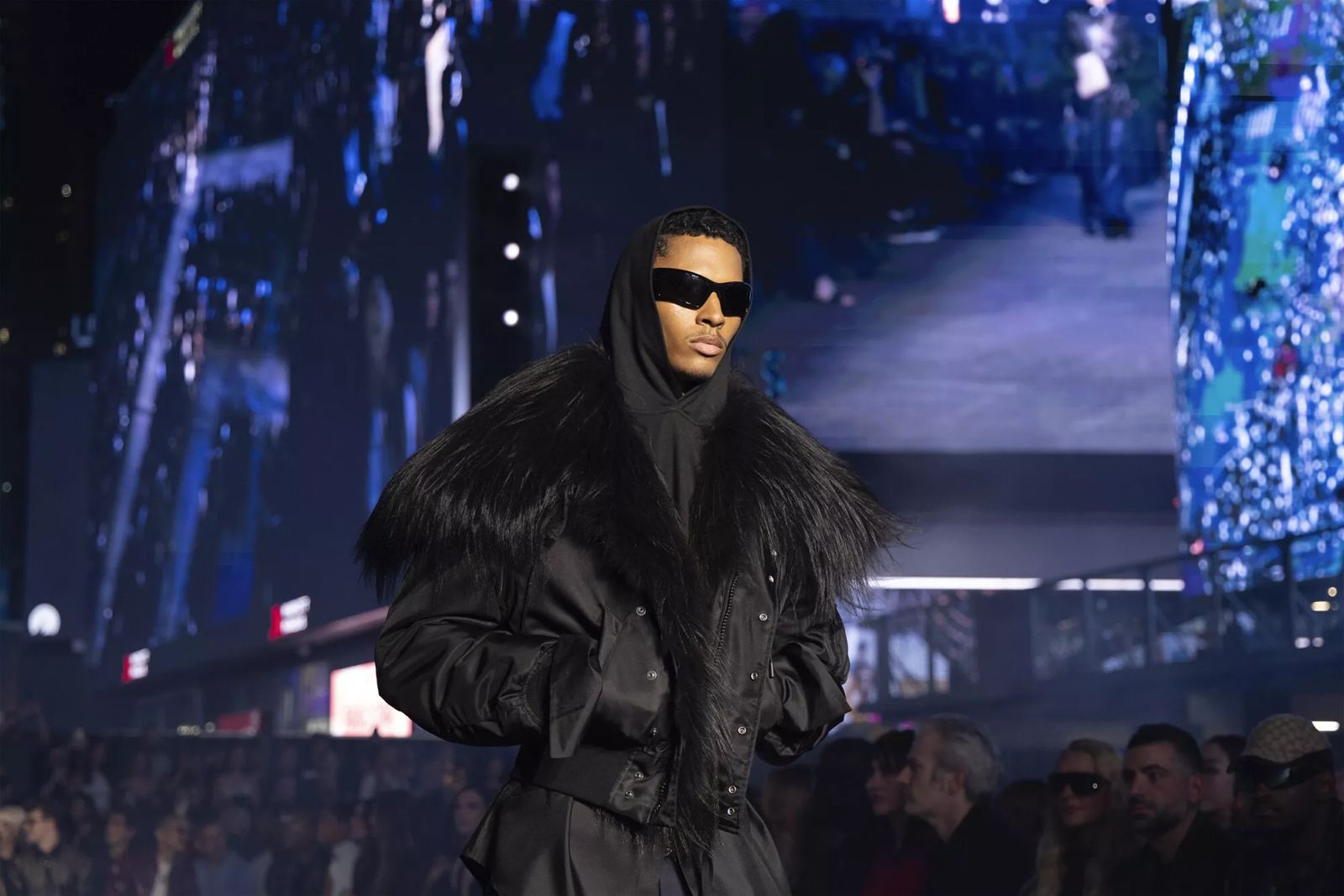
Photo provided by Gucci
Before the show began, Times Square’s screens flickered with fictional Gucci advertisements imagining an entire Gucci universe: Gucci Gym, Gucci Viaggio, Gucci Pets, Gucci Life, and even a Palazzo Gucci hotel.  The montage blurred fantasy and branding, reinforcing Demna’s idea of Gucci not simply as a fashion house, but as a complete cultural language.
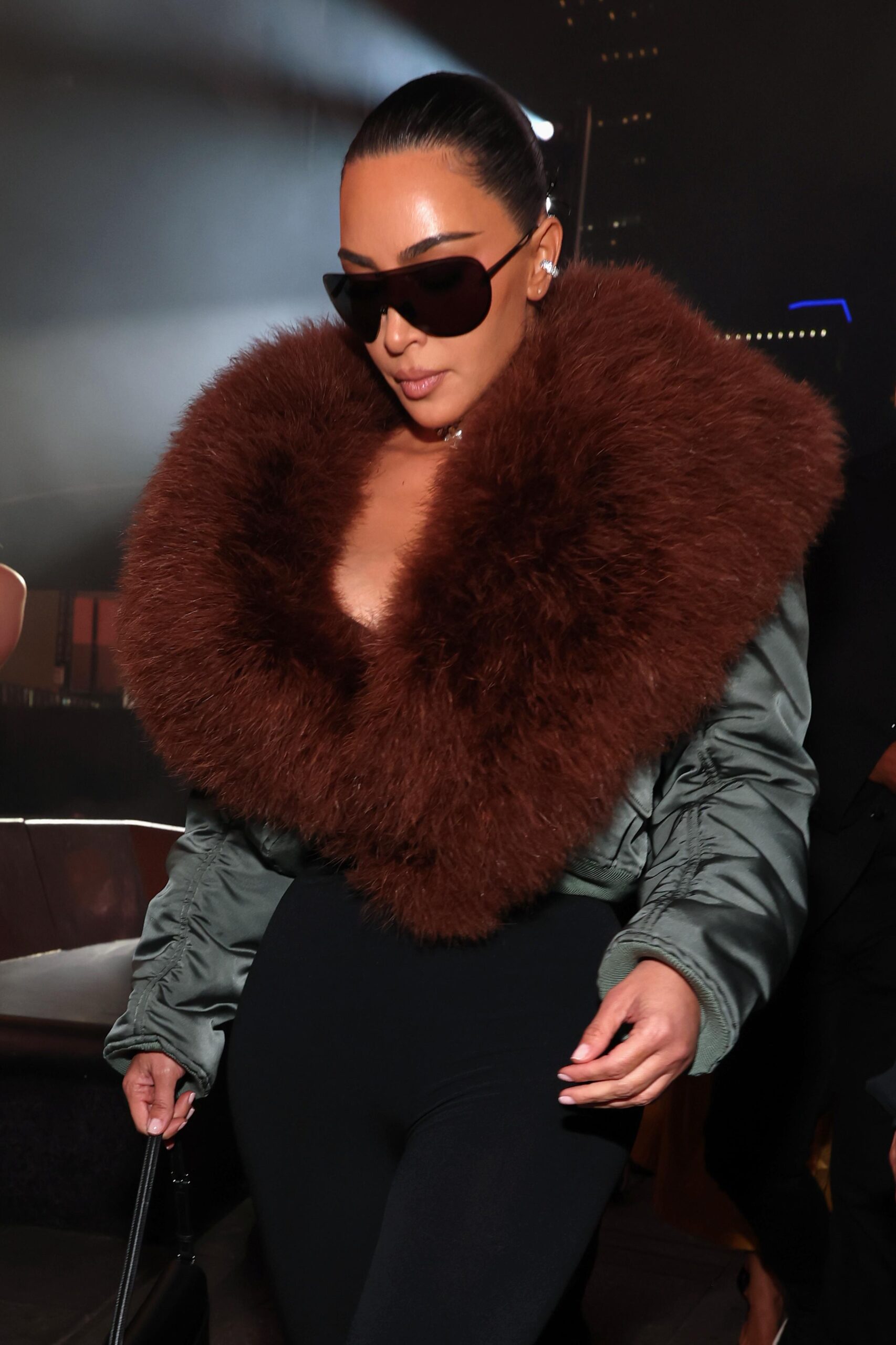
Photo provided by Gucci
That vision extended beyond the runway to the crowd itself. A star-studded front row gathered in Times Square for the occasion, with celebrities, artists, and industry figures arriving to witness what marked a defining moment for the House. Kim Kardashian was among the notable attendees, joining a guest list that mirrored the spectacle and scale of the evening itself.
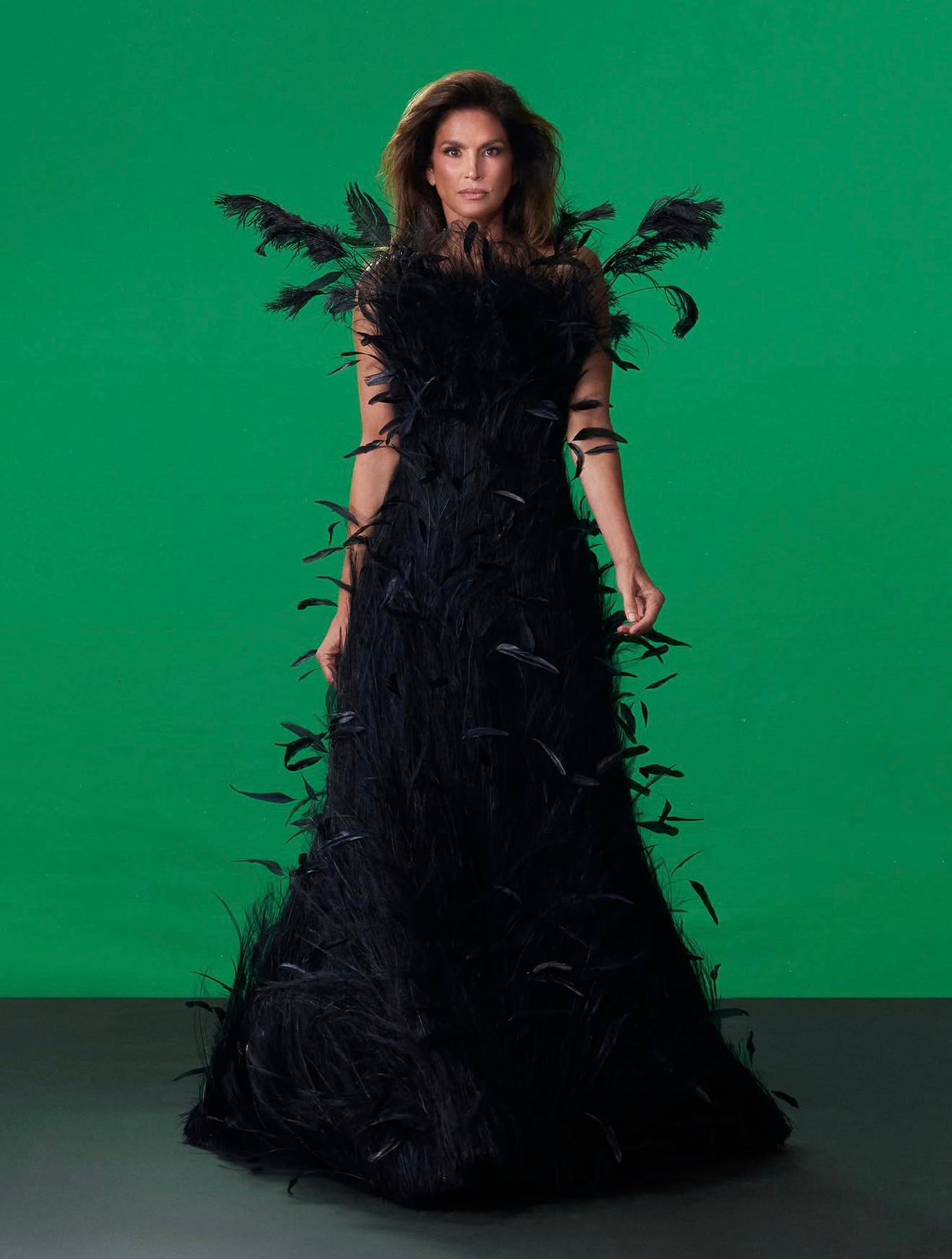
Photo provided by Gucci
Yet despite the grandeur of the production, GucciCore ultimately centered around wearability. Demna described the collection as the foundation of a permanent Gucci wardrobe built from “pragmatic, wearable pieces that are unmistakably Gucci.”  In a fashion landscape increasingly driven by spectacle, GucciCore suggested something more enduring: a wardrobe designed not only for the runway, but for the rhythm and contradictions of real city life.