
Do You Still Feel Gucci?
- Sheri Roushdy
- Fashion
For a while, fashion had stopped feeling like anything at all. It looked right, it photographed well, it sold, but it rarely moved. Seasons passed through cycles of quiet luxury, clean beauty, and careful restraint, each collection more controlled than the last, as if the industry had agreed that the safest way forward was not to react at all. Clothes became correct instead of emotional. Faces became polished instead of alive. Even when the work was good, it rarely felt urgent.
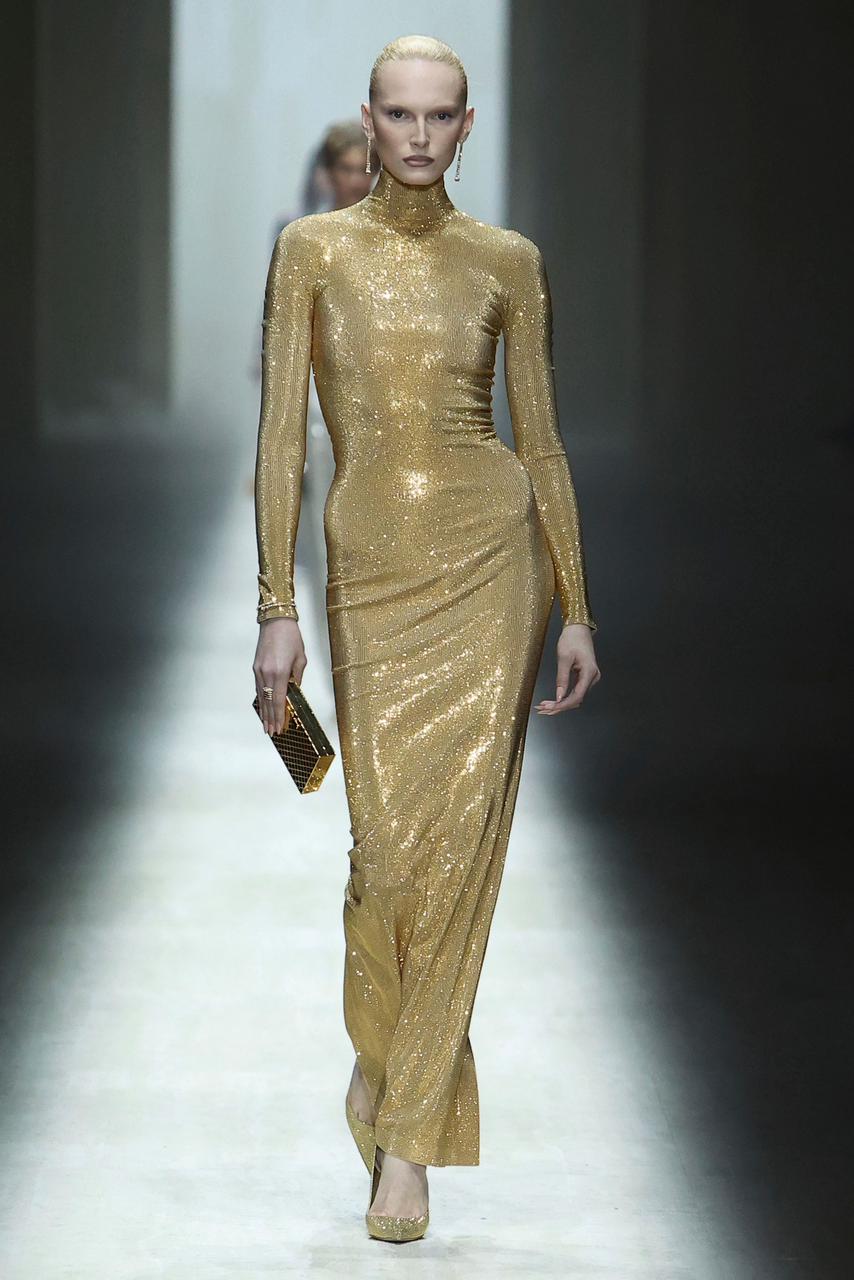
Photo: Courtesy of Gucci
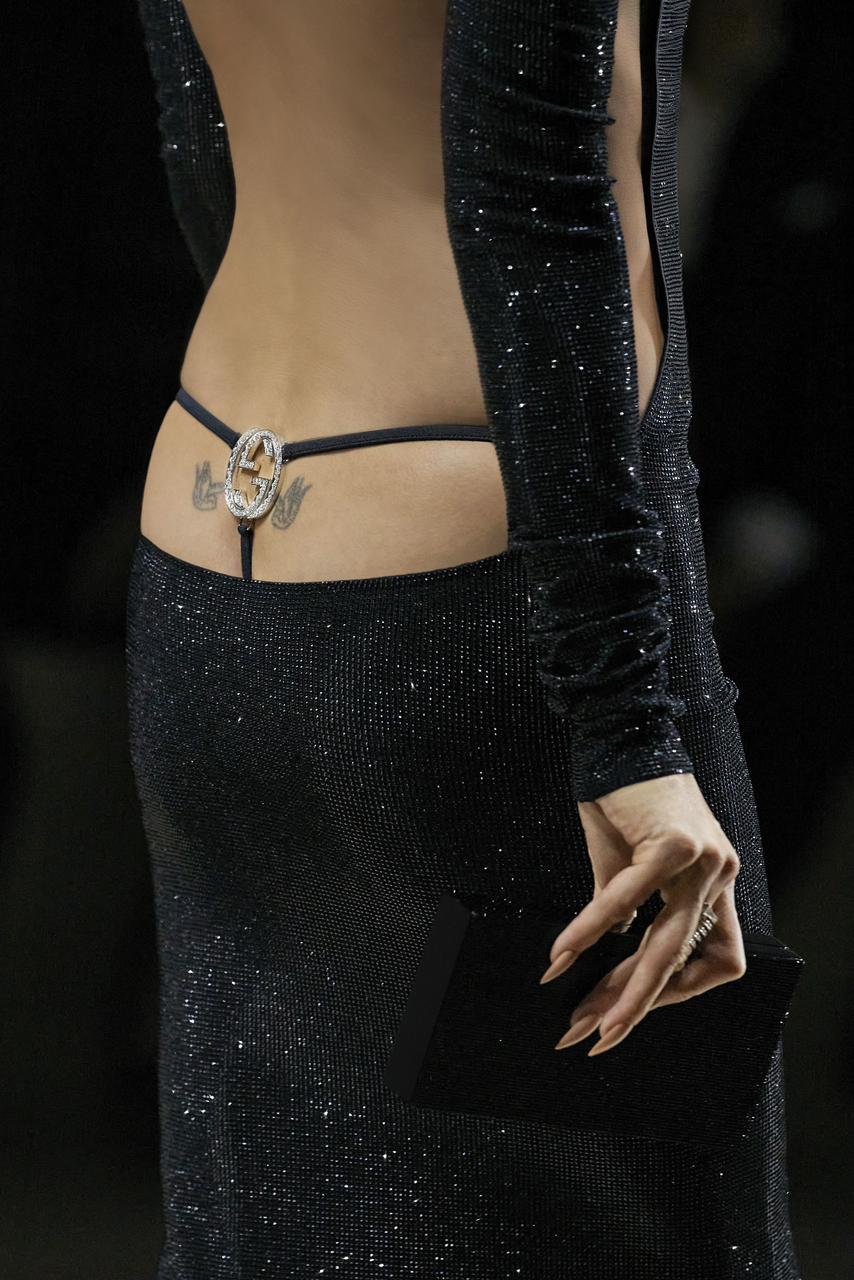
Then the first Gucci show under Demna happened, and the shift was not immediate, but it was impossible to ignore. The collection did not arrive as a shock, and it did not try to. It arrived with a strange kind of certainty, the kind that does not need to explain itself. The clothes felt instinctive, sensual, unmistakably Gucci, built from the house’s own language but worn with a different kind of confidence. The point was not to reinvent the brand overnight, but to make it feel real again. And that difference, between showing something new and making something felt, is where the mood quietly changed.
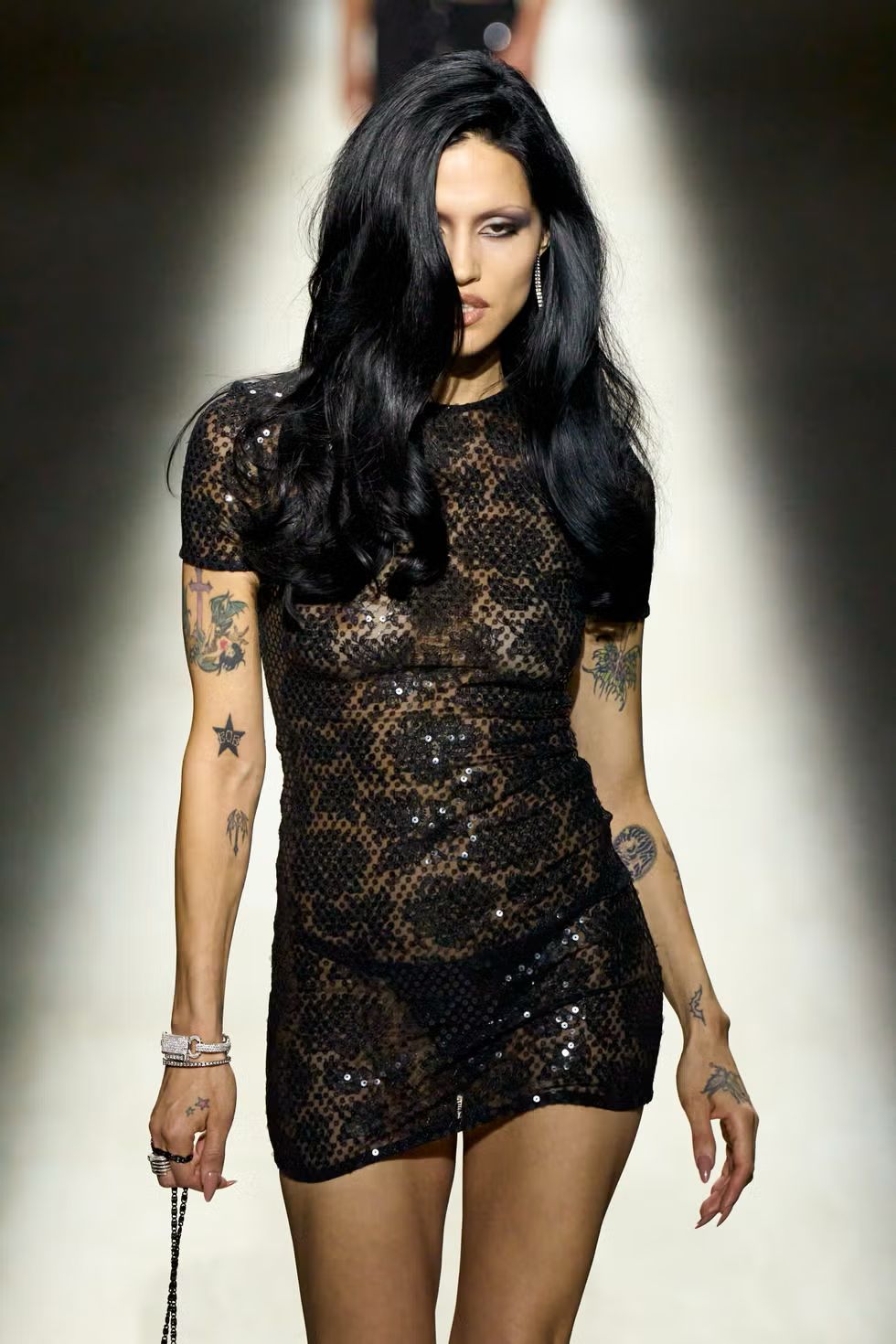
Photo: Courtesy of Gucci
The clothes stayed closer to the body than fashion had allowed in years. Silhouettes followed the figure instead of hiding it, jackets cut firm through the shoulders, skirts narrow, coats worn open so the line underneath stayed visible. Even when the looks were simple, the proportions carried tension, as if the collection needed the body to exist. There was leather, shine, hardware, belts sitting low on the waist, pieces that caught the light instead of disappearing into it. Nothing looked ironic. Nothing looked apologetic. The confidence came from the way the clothes held their shape and the way they held the person wearing them.
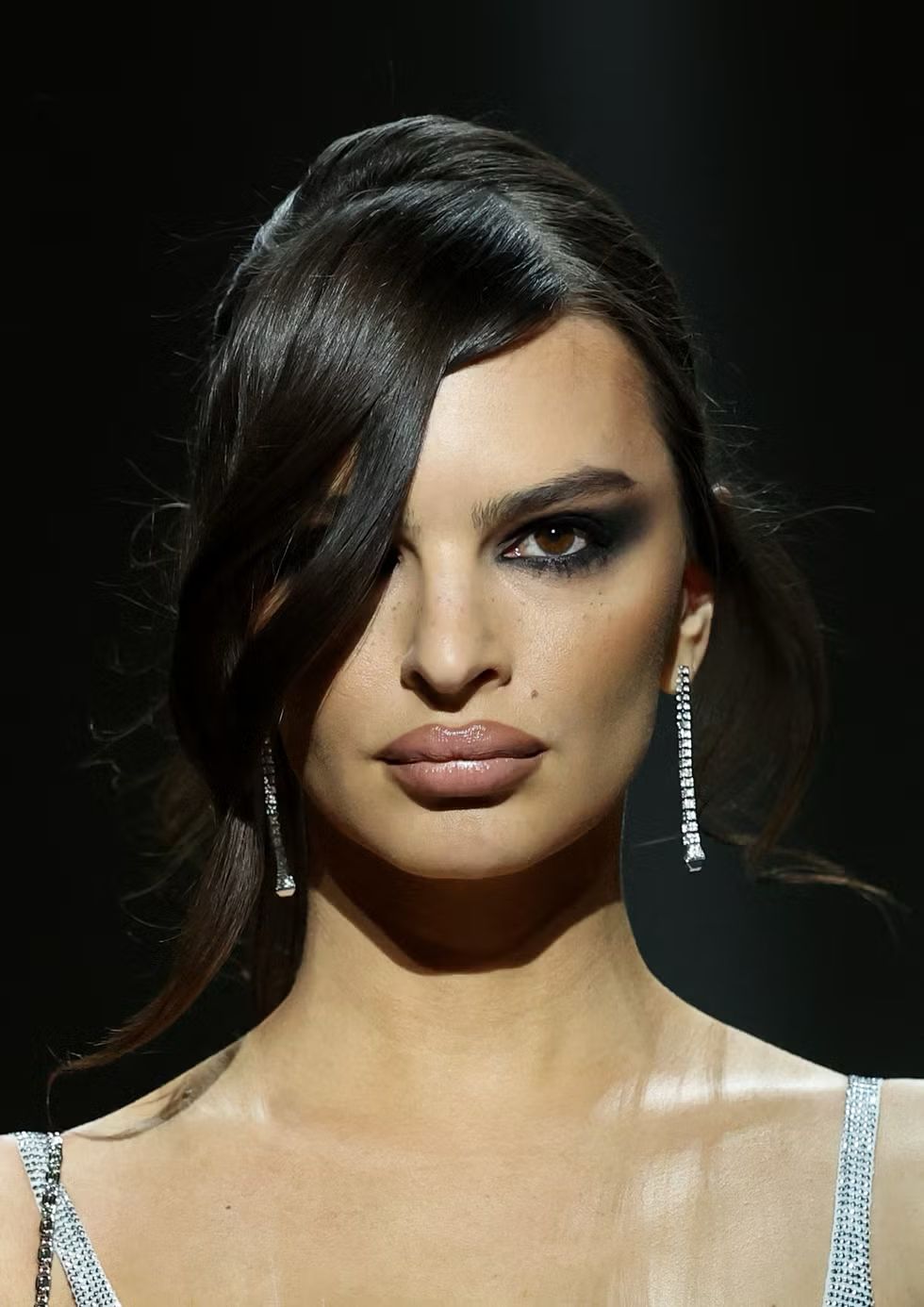
Photo: Courtesy of Gucci
The change was just as clear in the beauty. Faces moved away from the almost invisible look that had defined recent seasons and toward something darker, sharper, more human. Eyes were smoked, contour was visible, lips had color again, hair looked touched instead of perfected. The models did not look polished for the runway, they looked like they had lived in the clothes before stepping into the light. Each detail pulled the collection closer to reality, and that closeness made it harder to ignore.
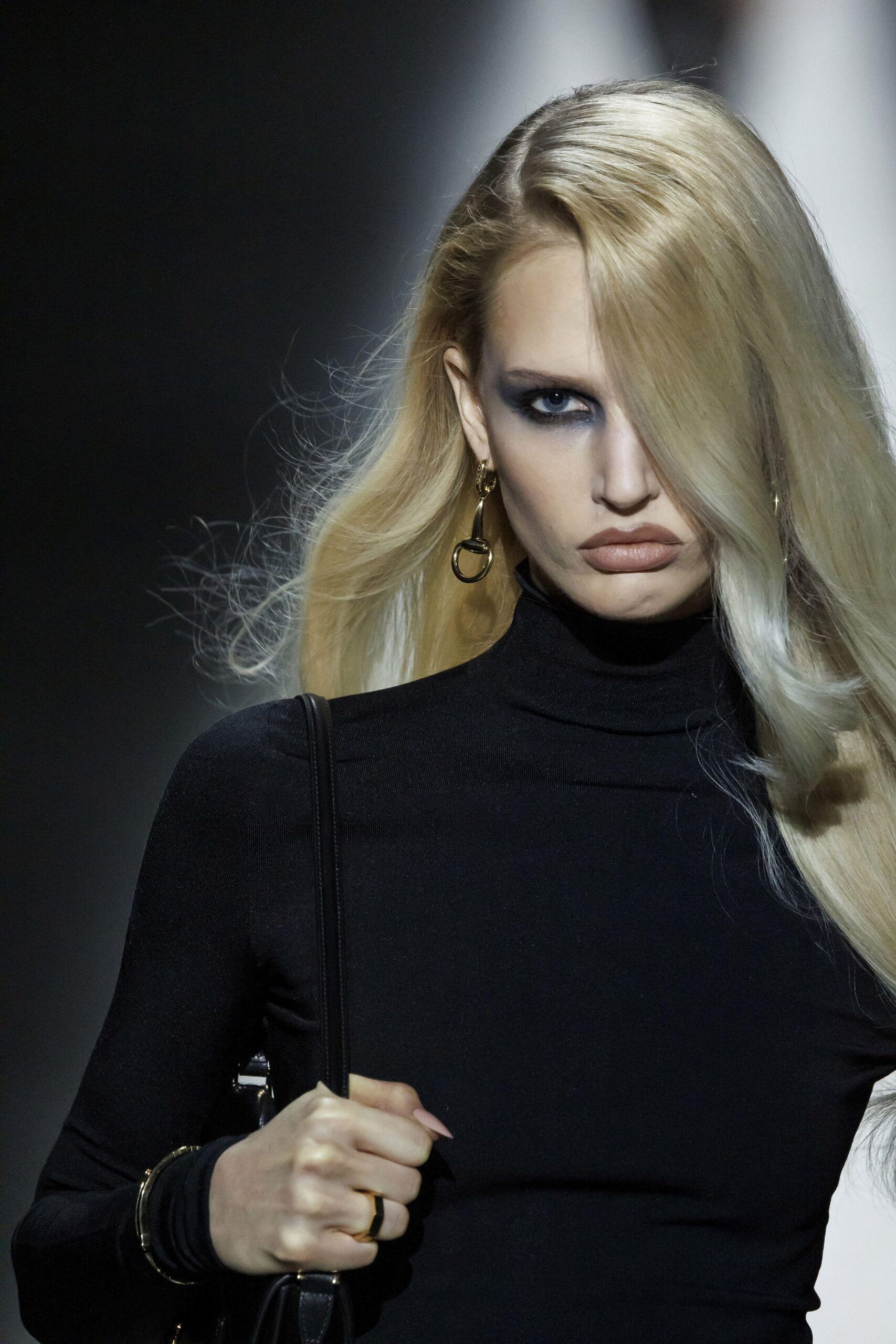
Photo: Courtesy of Gucci
The shift did not stay on the runway for long.
Almost immediately, the beauty from the show began to appear everywhere online, the same smoked eyes, the same sharp contour, the same slightly lived-in finish recreated again and again, as if the face of the collection had already moved beyond the show itself. When a runway starts to live outside the room where it was presented, it stops feeling like styling and starts feeling like something real.
It was not only the beauty.
The accessories, the eyewear, the horsebit hardware, the belts, the boots, the attitude of the collection started showing up everywhere, carrying the same mood that had been set on the runway. The distance between the show and the real world suddenly felt smaller, as if the message had not stayed inside the space where it was first seen. The show did not stay inside the show. It moved outward.
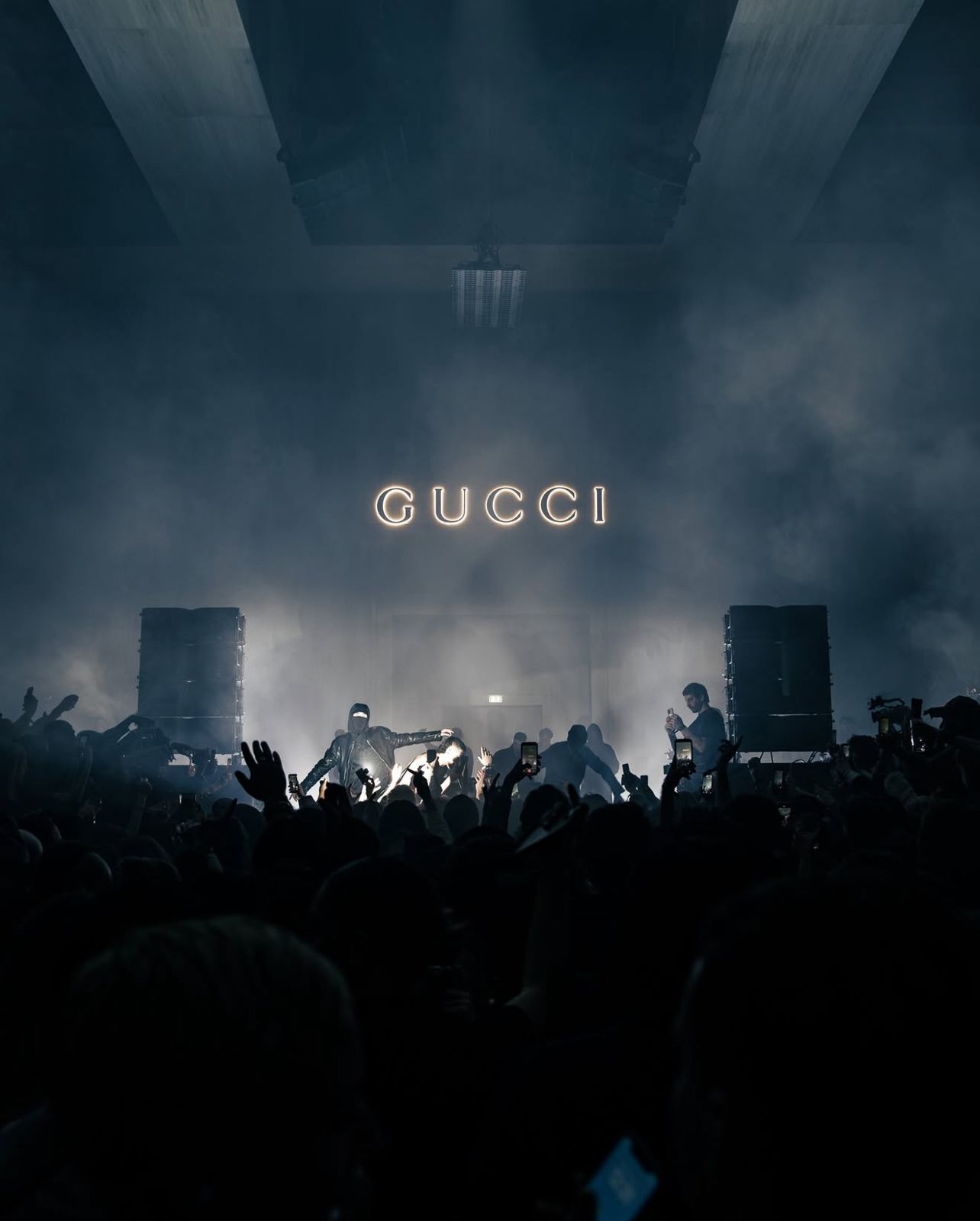
Photo: Gucci Instagram
In the days that followed, the atmosphere around the debut kept building, the images, the sound, the feeling circulating far beyond the runway itself. At the party that followed the presentation, EsDeeKid performed for a small crowd of guests, and the music from that night quickly became tied to the memory of the show. Tracks that were already moving online started replaying again across social media, now carrying the same mood as the debut, as if the moment had given them a new meaning. What started as a runway became something people kept returning to, repeating, sharing, holding on to, the music, the images, the feeling all moving together as part of the same memory.
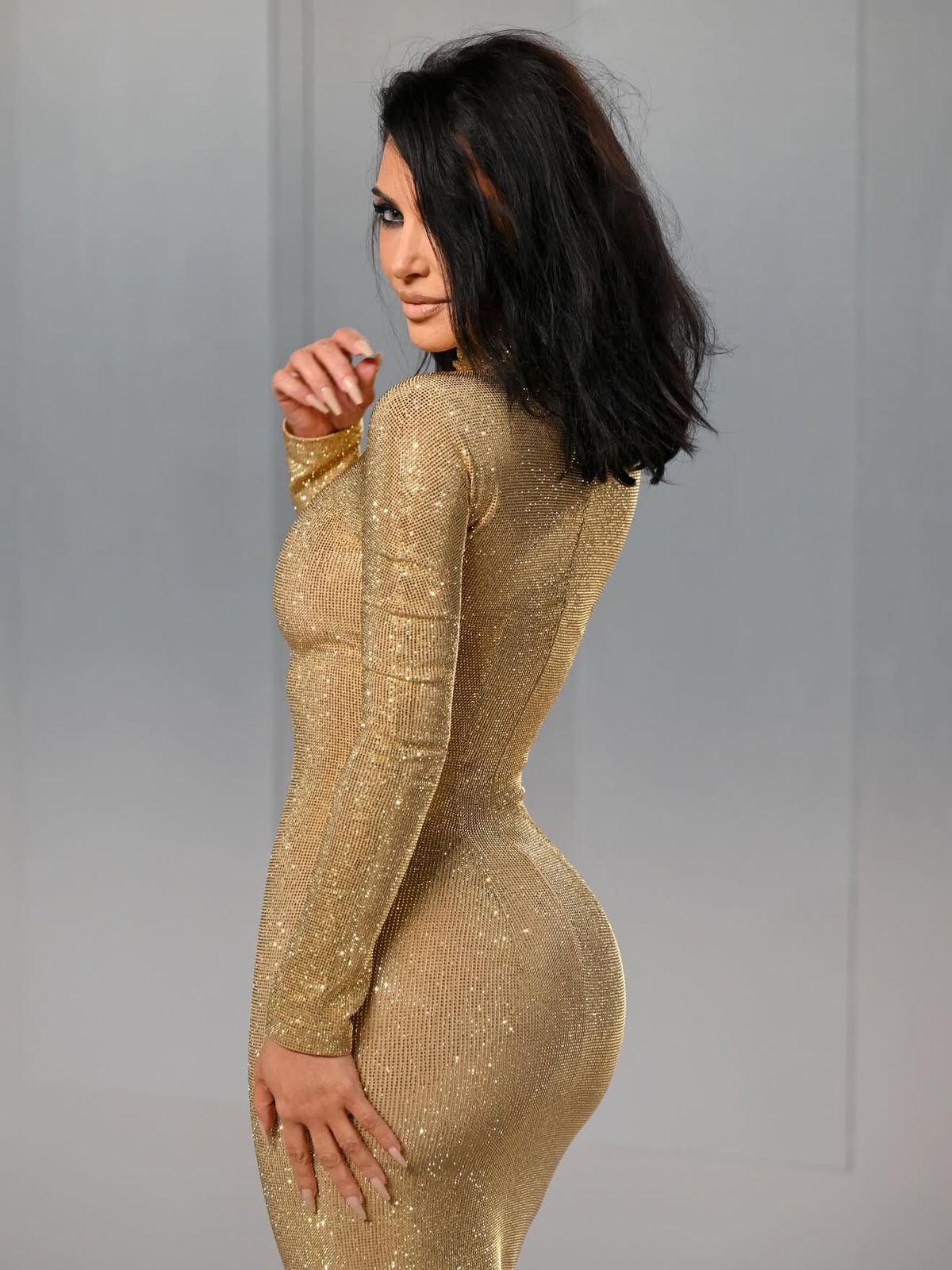
Photo: Getty Images
The same energy resurfaced weeks later, when Kim Kardashian stepped out in the gold dress from the debut, dressed by Demna, hair slightly undone, the makeup darker, the same after-hours tension still intact. It did not feel like a reference to the show, but like the show had never really ended, the same face, the same attitude, the same mood continuing to appear in different places, as if the language of the debut had already become part of the moment itself.
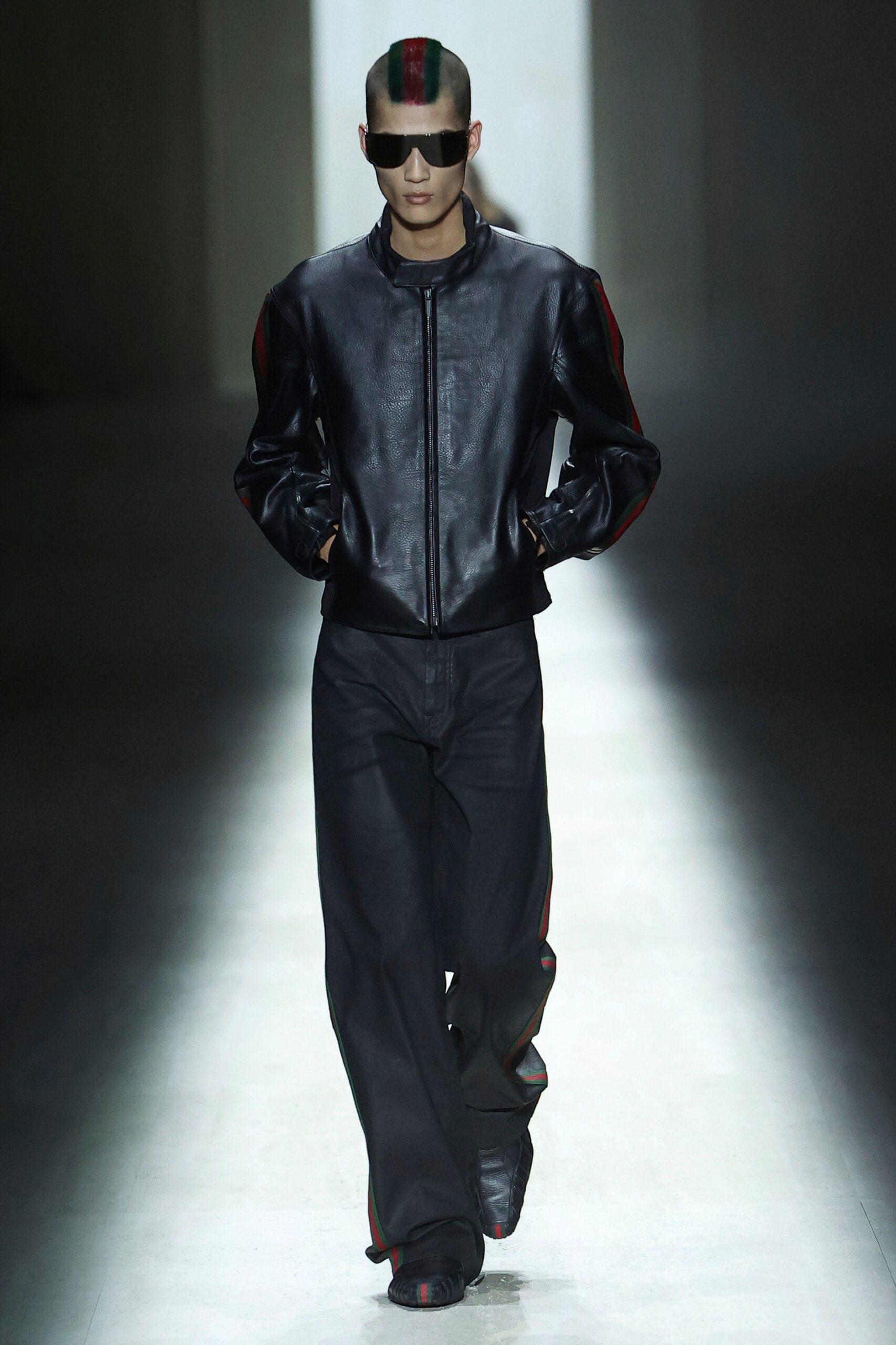
Photo: Courtesy of Gucci
What changed was not the runway, but the way people looked at it. The show became something people wanted to talk about, replay, reference, recreate. The clothes, the makeup, the sound, the attitude, everything around it kept circulating, as if the moment refused to disappear. It was a reminder that fashion only matters when it makes you feel something, and for the first time in a while, it did.
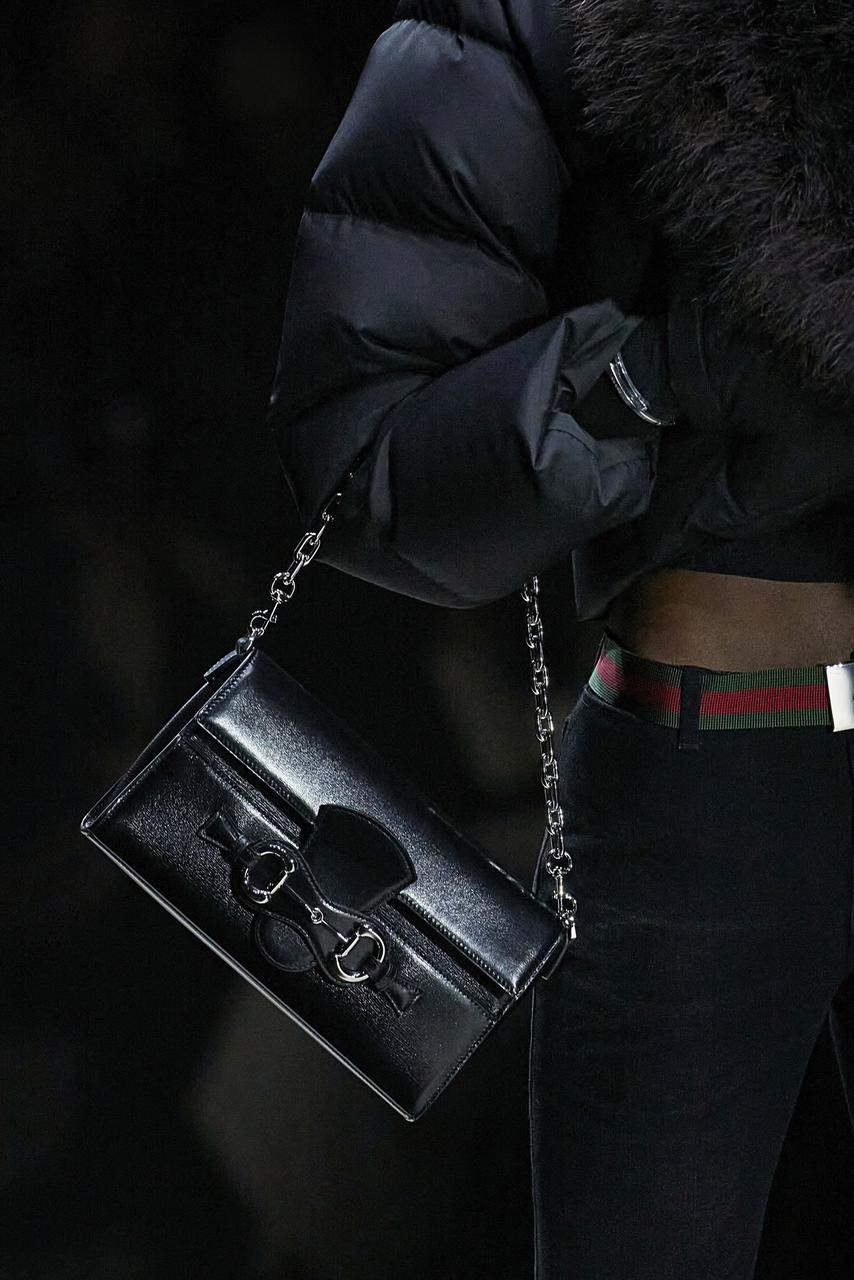
Photo: Courtesy of Gucci
That kind of reaction is never accidental. It has always been the way Demna works. He does not design for distance, he designs for impact, for instinct, for the moment when a show stops being something you watch and becomes something you feel. He spoke about wanting people to “feel Gucci again,” not to explain it, not to analyze it, but to recognize it instantly. That idea ran through the entire debut, in the clothes, in the beauty, in the attitude, in the way the moment refused to stay inside the runway.
Fashion likes to believe it moves forward every season, but most of the time it only adjusts itself. Real shifts happen more quietly, when the mood changes before the trend does. This season, the change began with a show that did not try to prove anything, only to remind everyone what it feels like when clothes have presence again, when beauty has attitude again, when a runway has tension again.
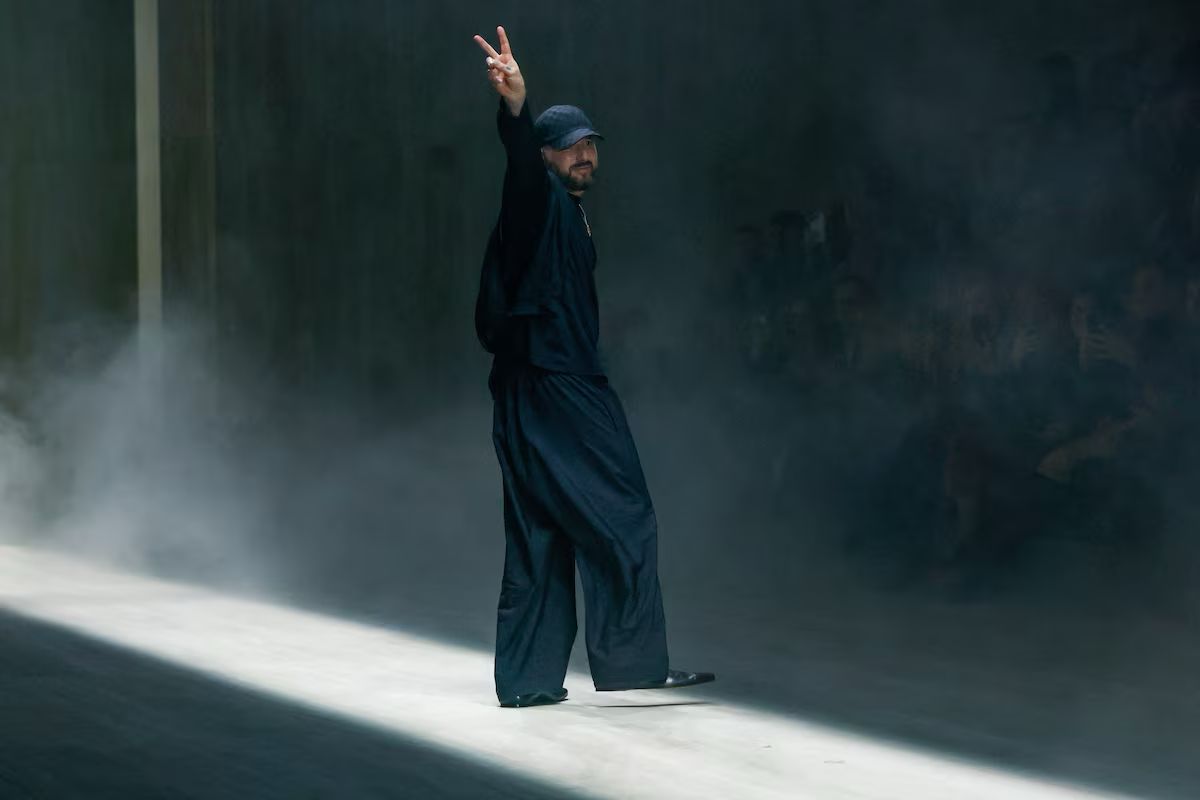
Photo: REUTERS
After Demna’s Gucci debut, fashion did not suddenly look different.
But it stopped feeling neutral.
And once fashion starts to feel again, it never stays the same.