
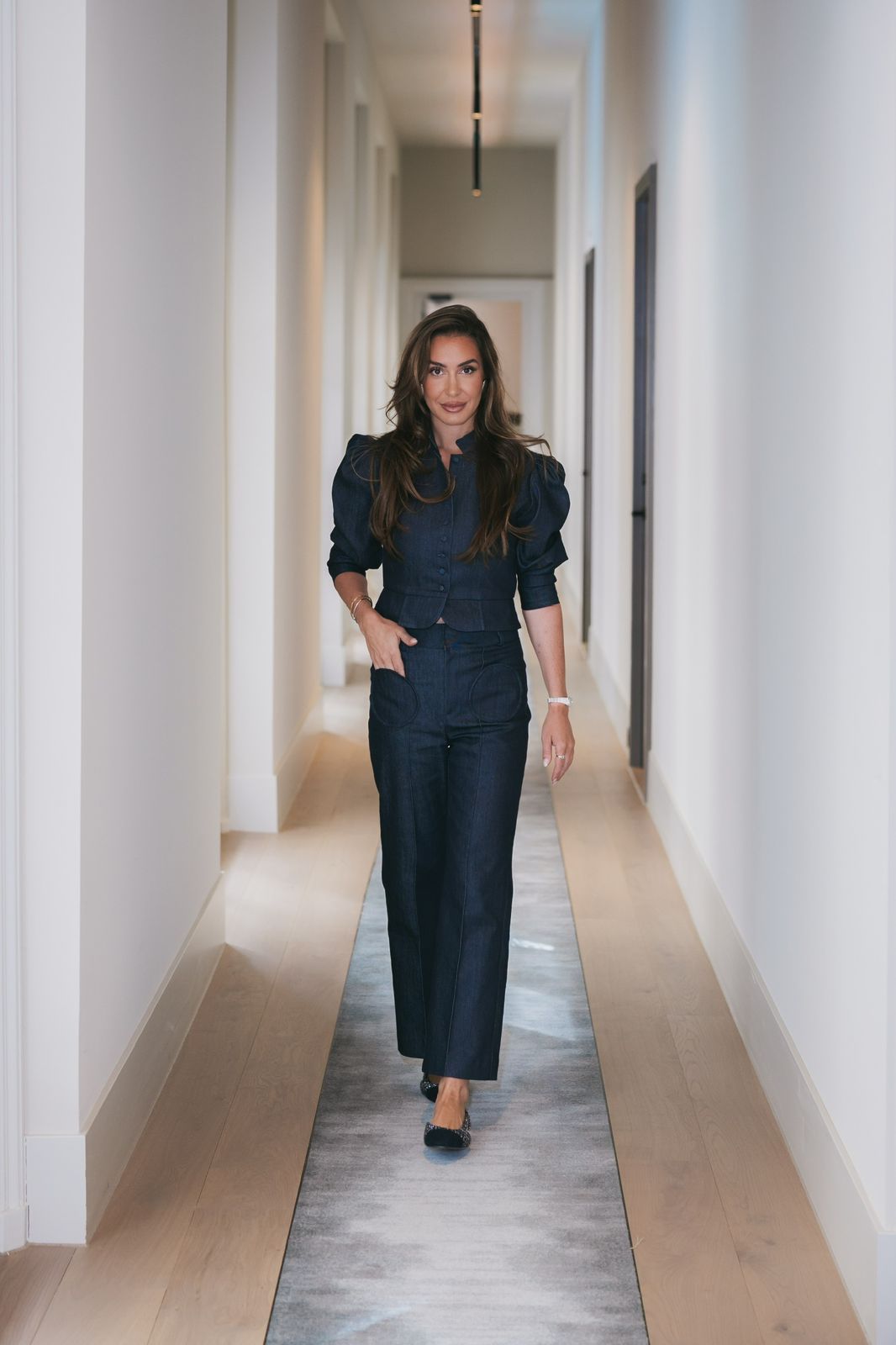
A Conversation on Belonging, Luxury, and Intuition with Maxime van Gelderen
- Nada Armanious
- Lifestyle
In an era where luxury is often confused with excess, Maxime van Gelderen is quietly introducing us to what true exclusivity really feels like. As the founder and CEO of Connecting The Dots, the Dubai–based lifestyle and travel management company, Maxime operates at the intersection of intuition, access, and emotional intelligence. Her work goes far beyond planning journeys, it’s about creating a sense of belonging, where experiences feel deeply personal, unforced, and precisely attuned to the individual. Shaped by a global career spanning fashion, hospitality, and brand strategy, Maxime brings a rare clarity to modern luxury: one rooted in relationships, discretion, and resonance rather than spectacle.
In this conversation, she reflects on the moments that shaped her path, her philosophy of meaningful travel, and why the future of luxury lies not in being seen, but in feeling understood.
You’ve worked across fashion, hospitality, and global markets. What ultimately led you to create Connecting The Dots?
Connecting The Dots emerged from a simple realisation. Even within the highest tiers of luxury, experiences often felt transactional rather than personal. Access was never the issue — understanding was. I wanted to build something more relationship-driven, more intuitive, and more reflective of how people truly live and travel.
How did your early experiences shape the way you lead today?
Growing up in a disciplined and entrepreneurial environment naturally instilled a sense of responsibility and independence. There was always an emphasis on consistency, long-term thinking, and doing things with intention. Those principles continue to shape both my decision-making and leadership approach.
Looking back, what did Shanghai and your time at PVH teach you about global luxury and brand culture?
Shanghai was deeply formative. It exposed me to an entirely different rhythm, sharpening my sensitivity to nuance, adaptability, and cultural context. At PVH, I gained a broader understanding of how global brands cultivate perception, identity, and consistency — lessons that continue to influence how I think about luxury and experience design.
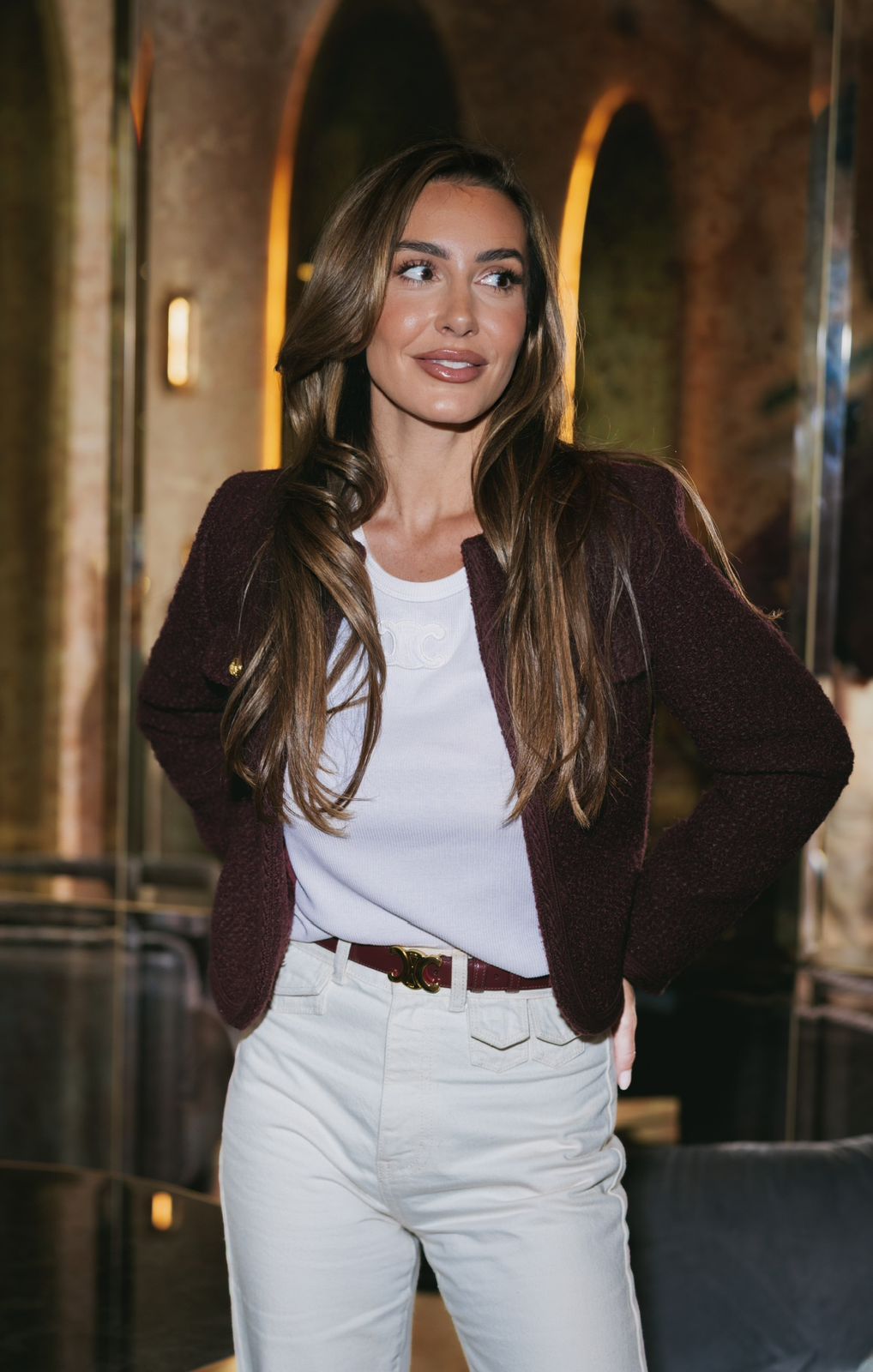
What does belonging mean in luxury travel today?
Belonging is ultimately about ease. It is the quiet comfort of arriving somewhere unfamiliar yet feeling naturally understood. Increasingly, modern luxury is defined not by display, but by emotional comfort — the ability to feel entirely at ease, wherever you are.
How do you train a team to notice “the invisible”?
It begins with awareness. We cultivate observation, attentiveness, and the ability to listen beyond what is explicitly stated. While intuition cannot be scripted, sensitivity and perception can absolutely be developed through culture, experience, and mindset.
In your opinion, what is the difference between luxury travel and meaningful travel?
Luxury travel is often associated with comfort and access. Meaningful travel is defined by resonance — how an experience lingers. The most memorable journeys are those where comfort supports the experience rather than becoming its focal point.
How do you protect intimacy and exclusivity as your client network expands globally?
Growth, for us, is inherently selective. Intimacy is preserved through quality, discretion, and the integrity of relationships. In the context of luxury, the manner of expansion is far more important than its scale.
What excites you most about the future of experiential travel?
What I find most compelling is the evolving mindset of travellers. There is a growing emphasis on privacy, authenticity, and experiences that feel deeply personal. Luxury is increasingly measured by feeling rather than destination — a shift that reflects a more refined and conscious approach to travel.