
Saut Hermès 2026 Turns the Grand Palais Into an Arena
- Sheri Roushdy
- Lifestyle
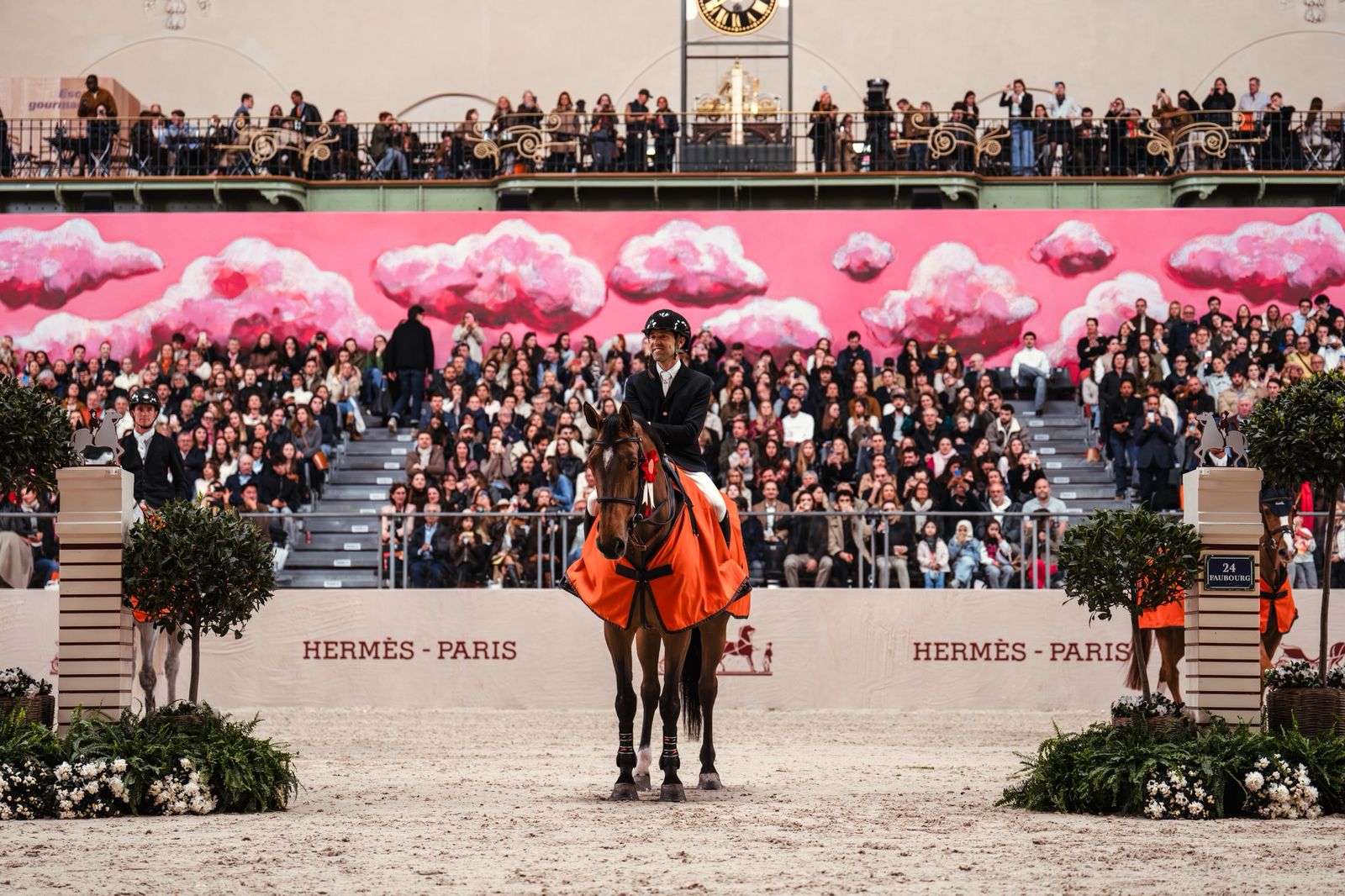
From March 20 to 22, 2026, the Grand Palais was transformed once again for the sixteenth edition of the Saut Hermès, the house’s annual showjumping competition, where sport, craftsmanship, and staging meet under the glass roof of one of Paris’s most recognizable spaces. This year’s edition followed the theme of “the call to venture beyond,” a phrase that set the tone for an event built around movement, risk, and the idea of pushing past familiar ground.
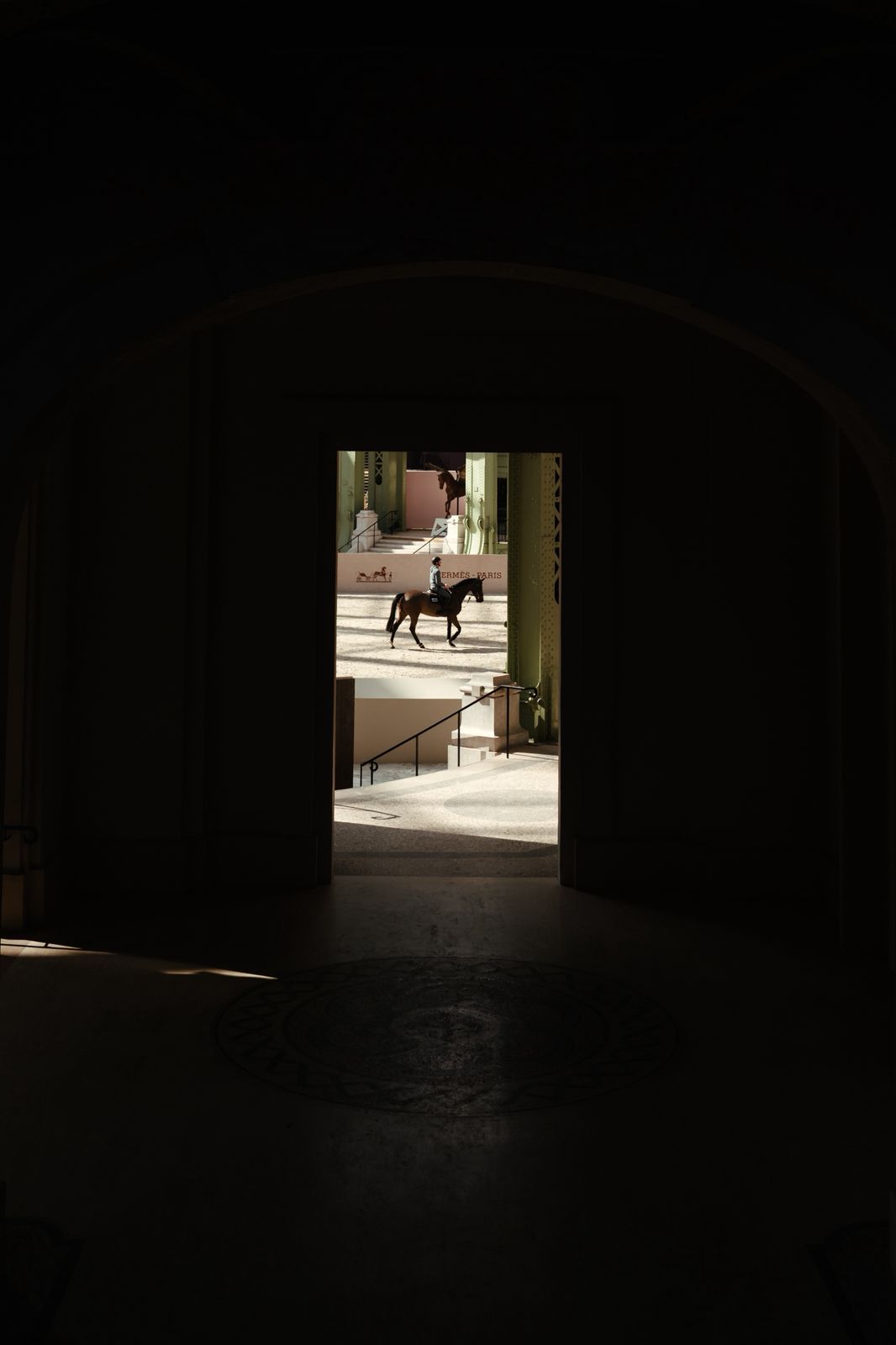
Photo: Courtesy of Hermès
Inside the nave, the setting felt closer to an imagined landscape than to a traditional arena. The entire floor was covered in sand, with jumps, poles, and stable tools arranged across the space as if the Grand Palais itself had been transported onto an endless riding course. Beach-like cabins replaced the usual boxes, and the light filtering through the glass roof gave the competition the feeling of taking place somewhere between the seaside and the stables. The scenography, imagined under the direction of Pierre-Alexis Dumas, turned the venue into a place where the house’s equestrian roots could be experienced rather than simply shown.
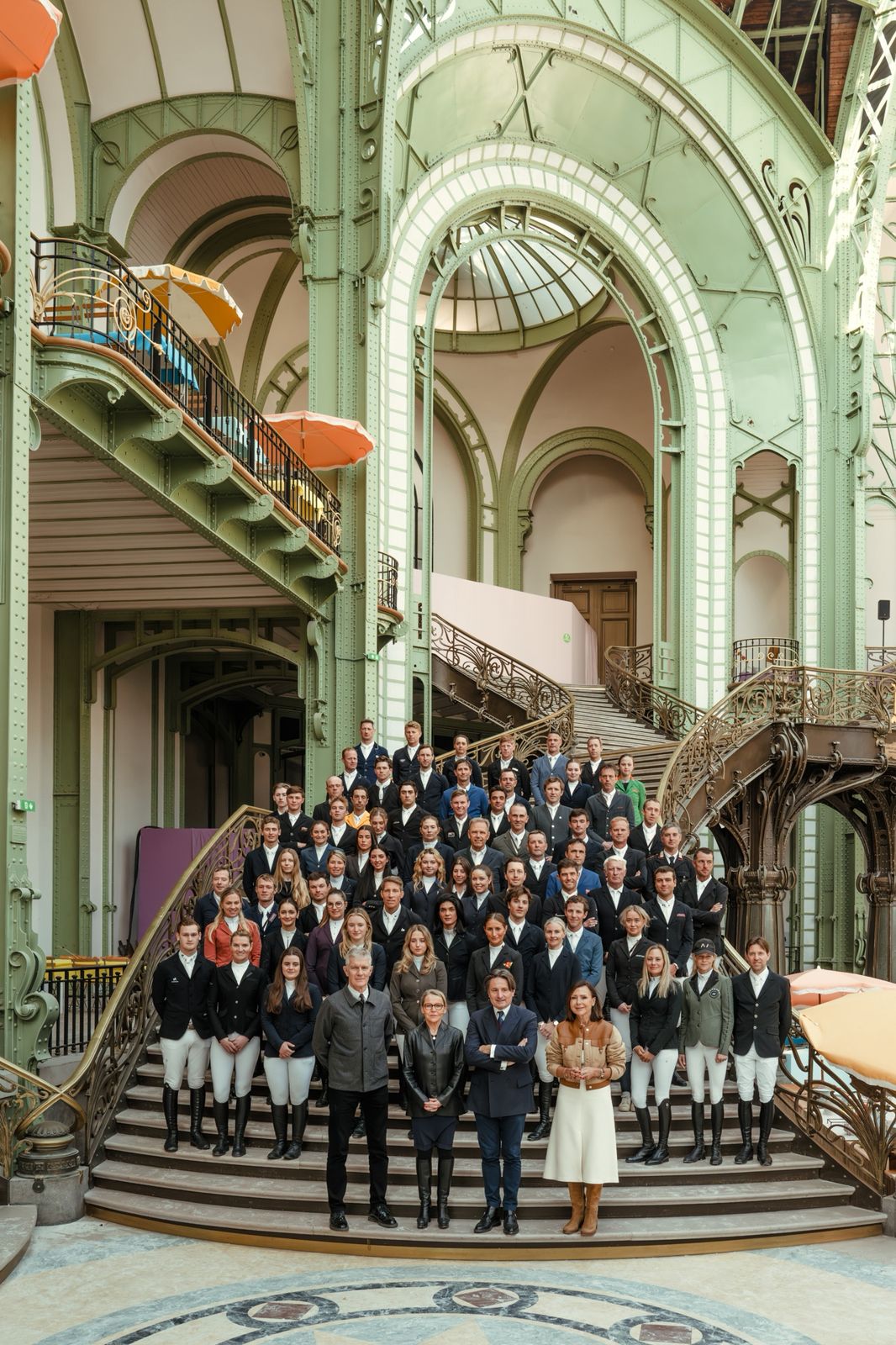
Photo: Courtesy of Hermès
At the center of the event remained the competition itself, a five-star international showjumping tournament that brought together some of the world’s leading riders. From the Prix du Grand Palais to the Grand Prix Hermès, the atmosphere moved between tension and celebration, with the crowd reacting to every fault and every clear round. The scale of the space made the sport feel both intimate and monumental, the riders crossing the arena beneath the glass roof while the stands followed every movement.
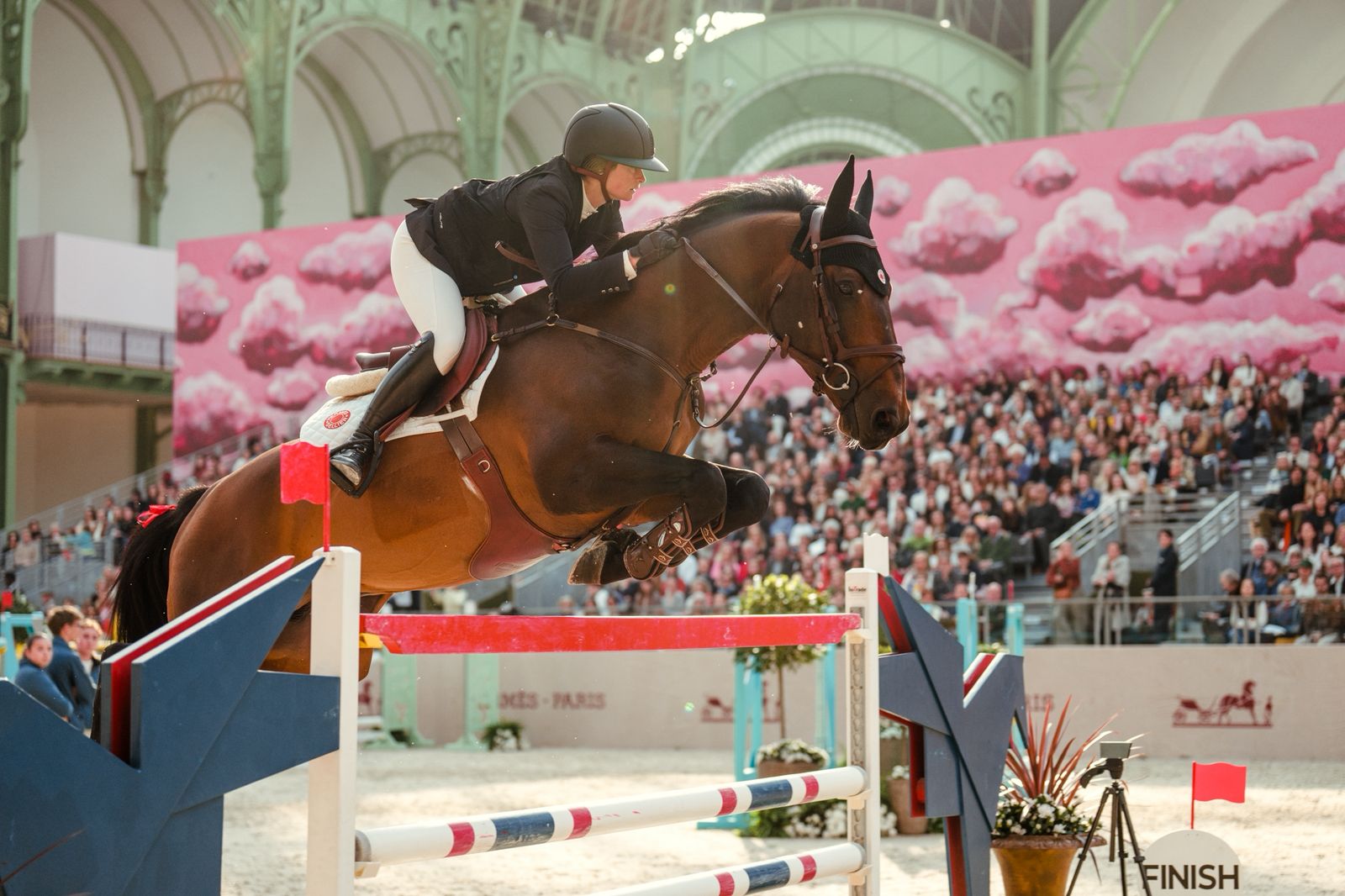
Photo: Courtesy of Hermès
Among the riders, Jeanne Sadran stood out as one of the figures of the moment. At just twenty-four, the French showjumper had already secured major results on the international circuit and had recently joined the team of Hermès partner riders. Her presence reflected the house’s long-standing connection to the sport, where saddles, equipment, and craftsmanship are developed in close dialogue with the athletes who use them.
Beyond the competition, the event also leaned into performance. Each day included a staged presentation combining riders, musicians, and dancers, where the rhythm of percussion met the movement of horses in a choreography that blurred the line between sport and spectacle. Under the glass roof, the sound of hooves aligned with the beat of drums, creating a moment that felt less like an interlude and more like another way of telling the same story, one built on precision, control, and the relationship between human and animal.
Around the arena, the event extended into a small world of its own. Visitors moved between the pop-up shop, the equestrian bookshop, and the workshops where the house’s artisans presented their work, while outside, the paddock on the Champs-Élysées offered a quieter space for horses and riders between classes. The presence of the saddlers, tools, and materials made it clear that the competition was not only about performance, but about the craft that makes it possible.
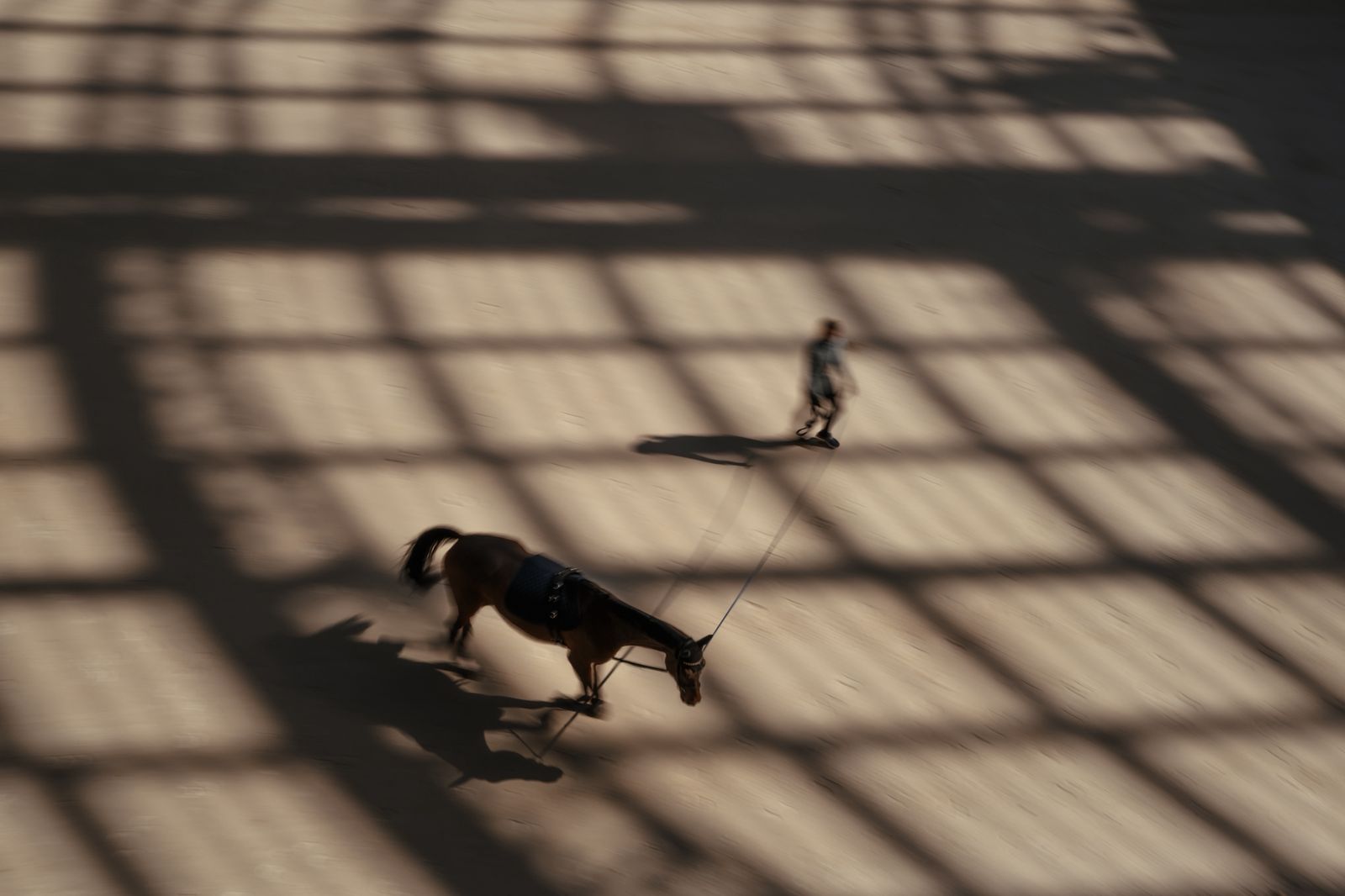
Photo: Courtesy of Hermès
With the Saut Hermès, the house once again blurred the line between sport and creation. What could have remained a competition became something closer to a staged world, where the horse, the rider, and the object all belonged to the same story. Over three days, the Grand Palais did not simply host an event. It became a place where the history of Hermès, built on leather, movement, and precision, could be seen in motion.