
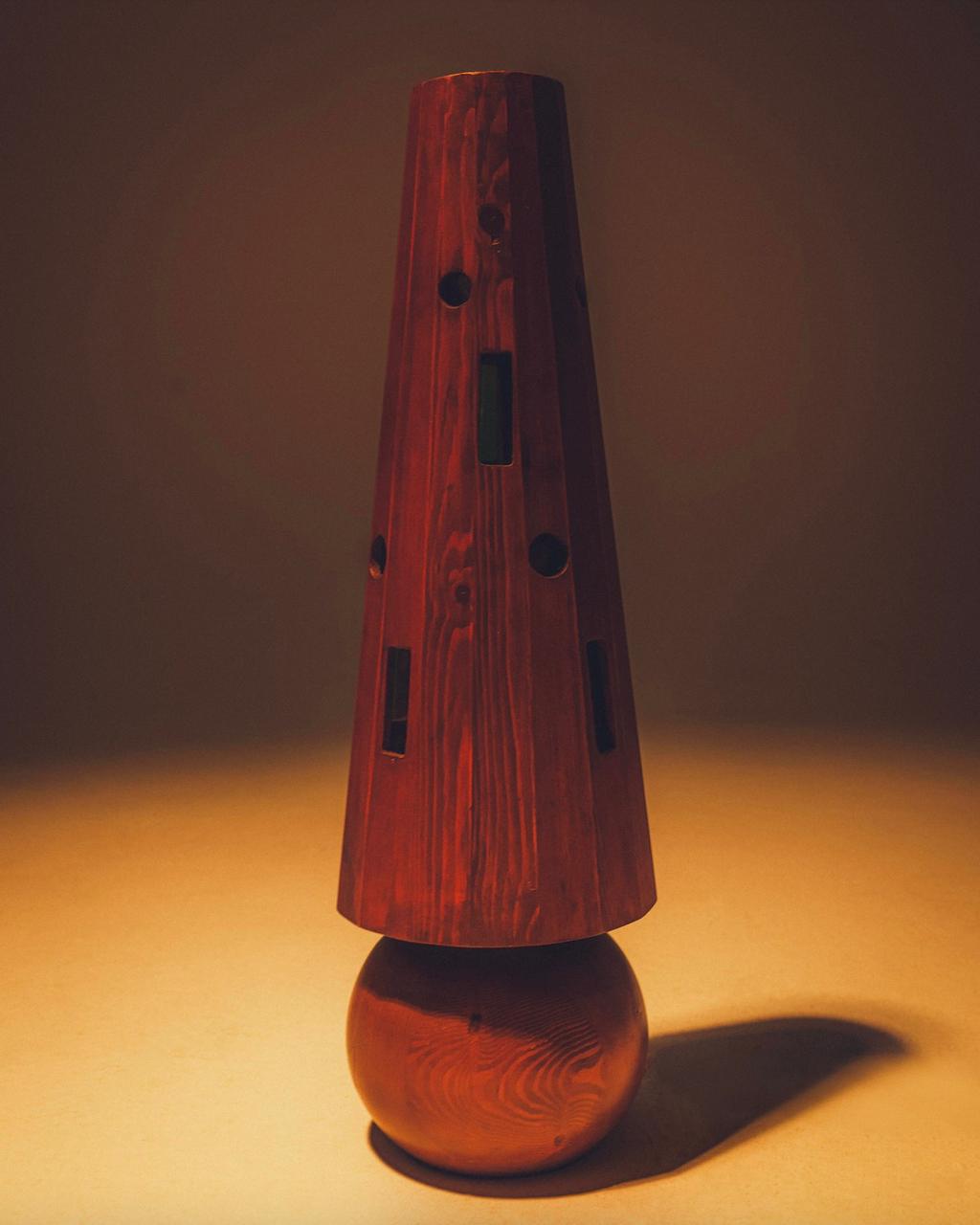
Inside CATFISH Objects: Play, Culture, and Imperfect Design
- Nada Armanious
- Features
Founded by sisters Khadija and Nabila Rashed, CATFISH Objects has quickly carved out a space of its own in Egypt’s growing design scene. Known for its playful irreverence and bold visual language, the brand blurs the line between art and function, inviting curiosity rather than conformity. With roots in Cairo and influences that stretch to London, CATFISH challenges traditional perceptions of design, celebrating contradiction, humor, and imperfection. In this conversation, the Rashed sisters refreshingly reflect on the origins of CATFISH, their collaborations with artisans, how less obsession with Western validation is needed, and how they’re helping reshape what contemporary design means in and beyond the region. In the conversation that follows, the Rashed sisters speak candidly about building CATFISH on their own terms—and why embracing play, culture, and imperfection is central to their vision.
CATFISH Objects has such a distinct voice. It’s playful, bold, and unique. How did the idea for the brand first come to life?
CATFISH was born from a realization that design often feels inaccessible, something reserved for a certain group of people who can afford it or understand its language. We wanted to change that. CATFISH was built on the idea that design should feel approachable, that it can exist in different contexts and speak to younger, curious audiences. From there, the rest followed naturally. It all comes from the same belief: that design shouldn’t be confined to one definition, one method, or one kind of person. It was built on curiosity about the surrealism that exists in everyday objects and a desire to challenge how people interact with functional design.
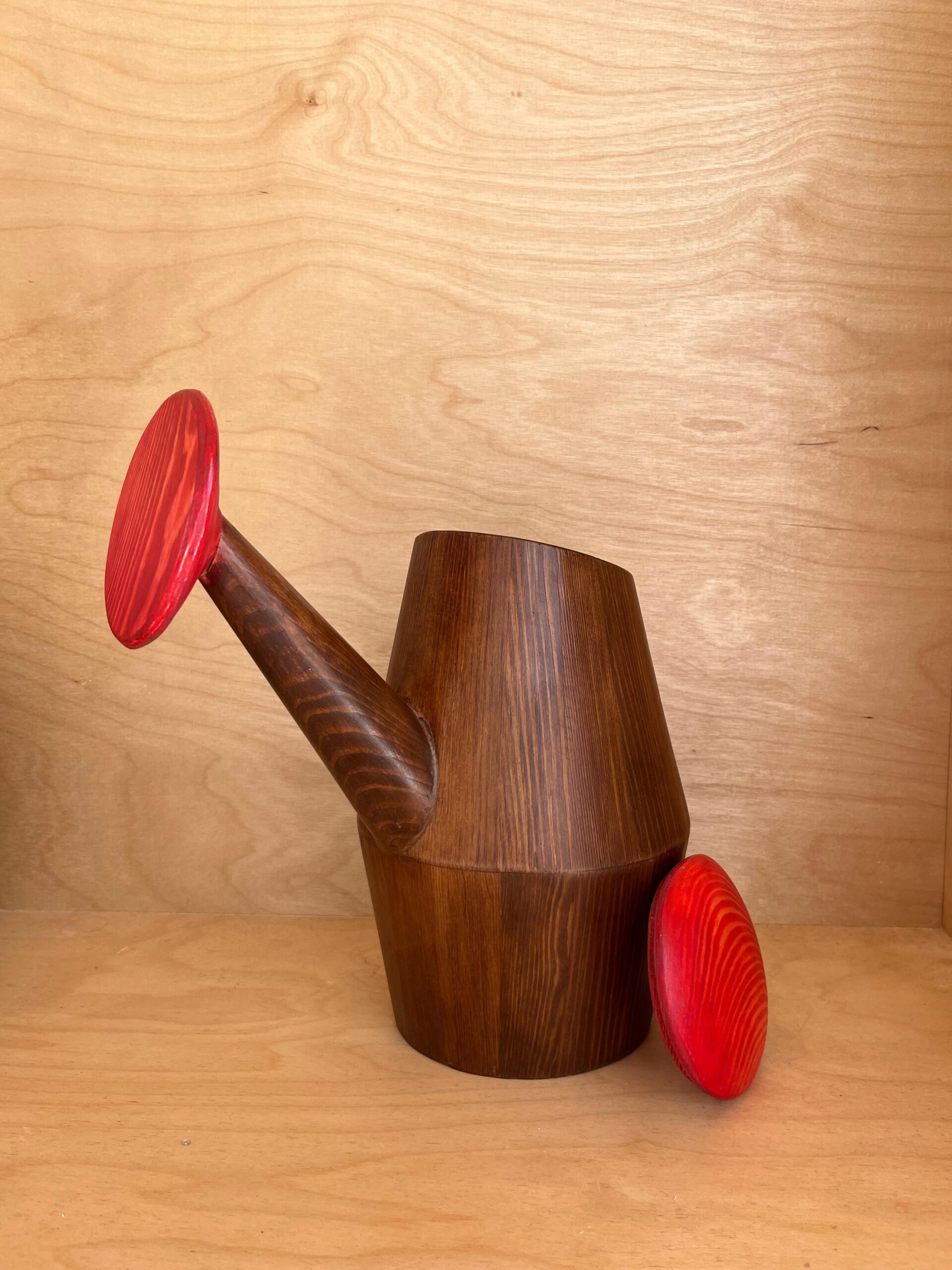
Photo provided by Catfish Objects
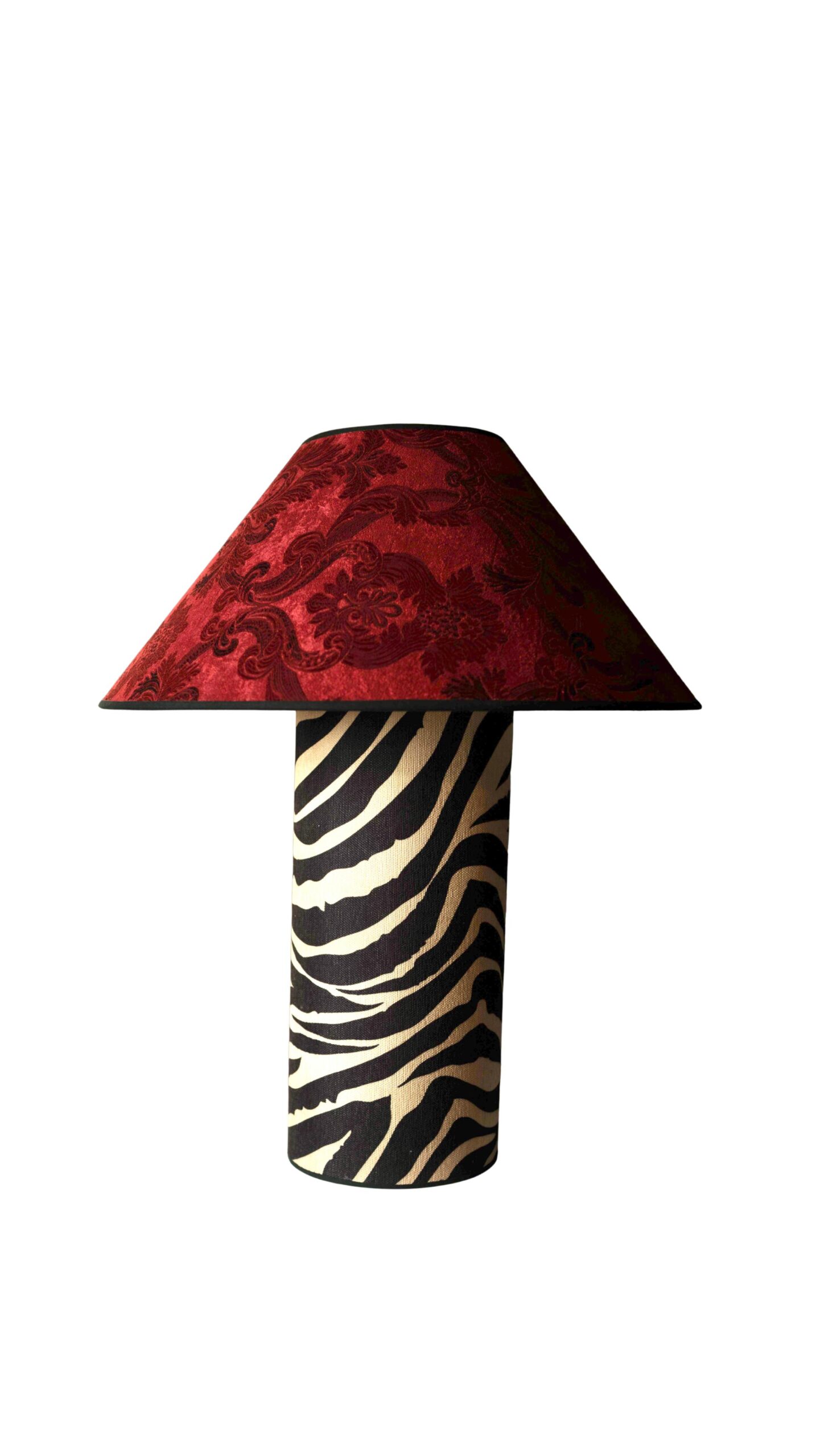
Photo provided by Catfish Objects
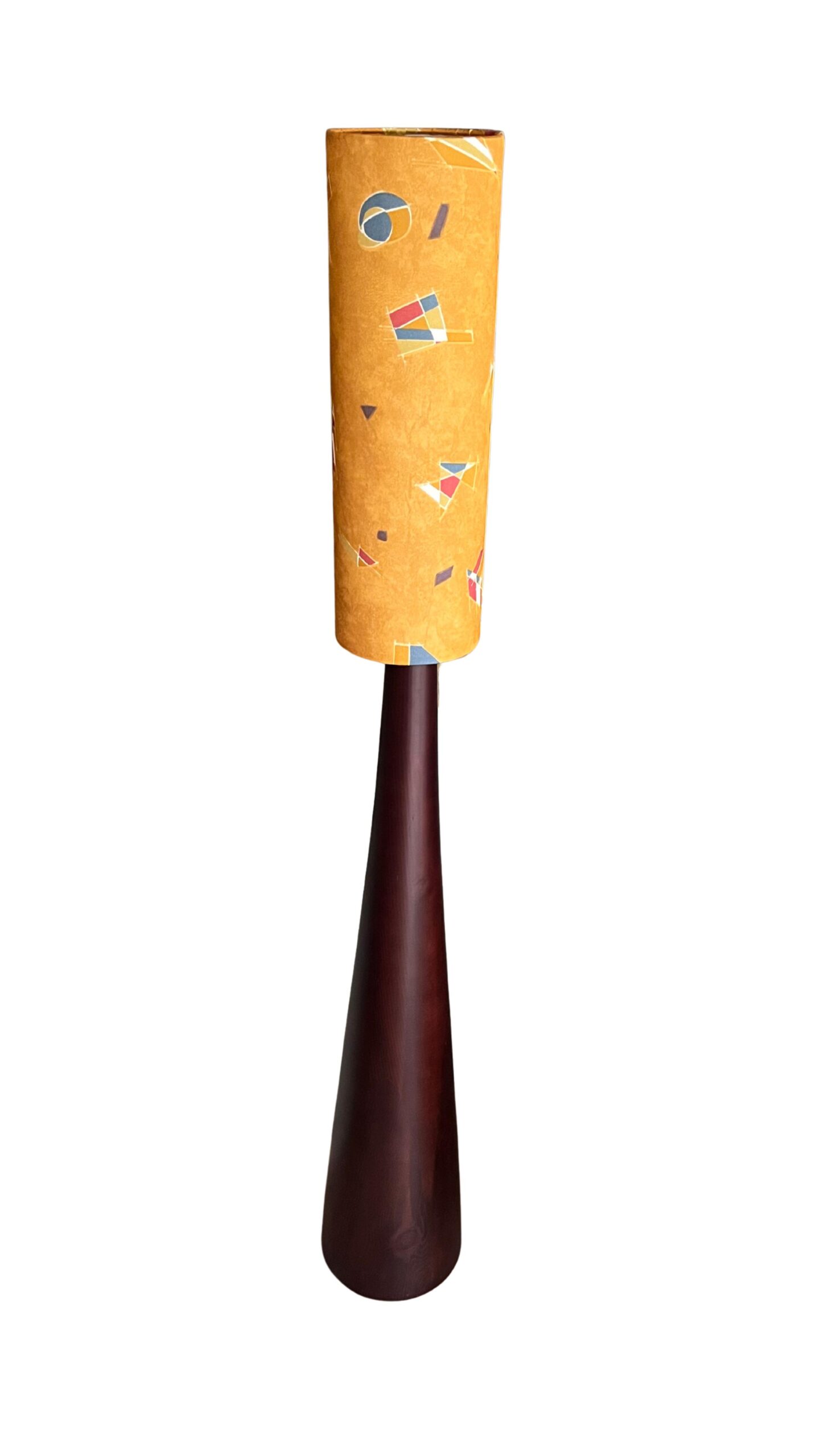
Photo provided by Catfish Objects
You’ve described CATFISH as part of a movement to loosen up the region’s creative scene. What do you think the local design world needs less of, and what does it need more of?
Maybe less fear of imperfection and less obsession with Western validation. More play, risk-taking, and self-expression. There is so much talent here, but creativity (even our own) sometimes gets boxed into trends and predictable design languages. We are trying to break that stiffness. There is constant pressure to fit into molds shaped by “high-brow” design institutions that dictate what design is. We want to reimagine collectible design for today’s generation, to make it approachable, research-driven, and emotionally resonant. Today, our generation experiences design, art, and culture in new, fluid ways, so it is important for the creative scene to see and actively respond to this shift.
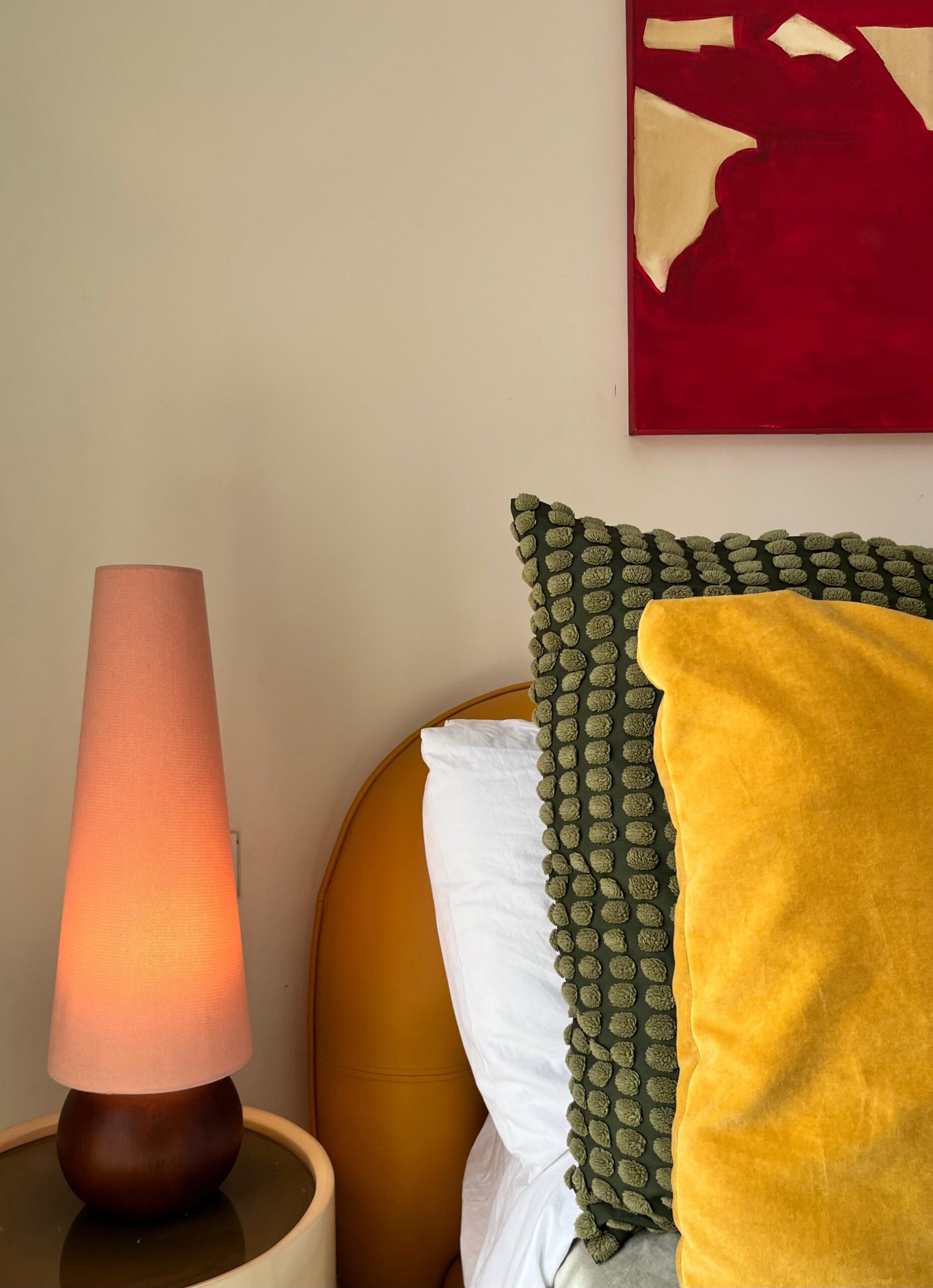
Photo provided by Catfish Objects