
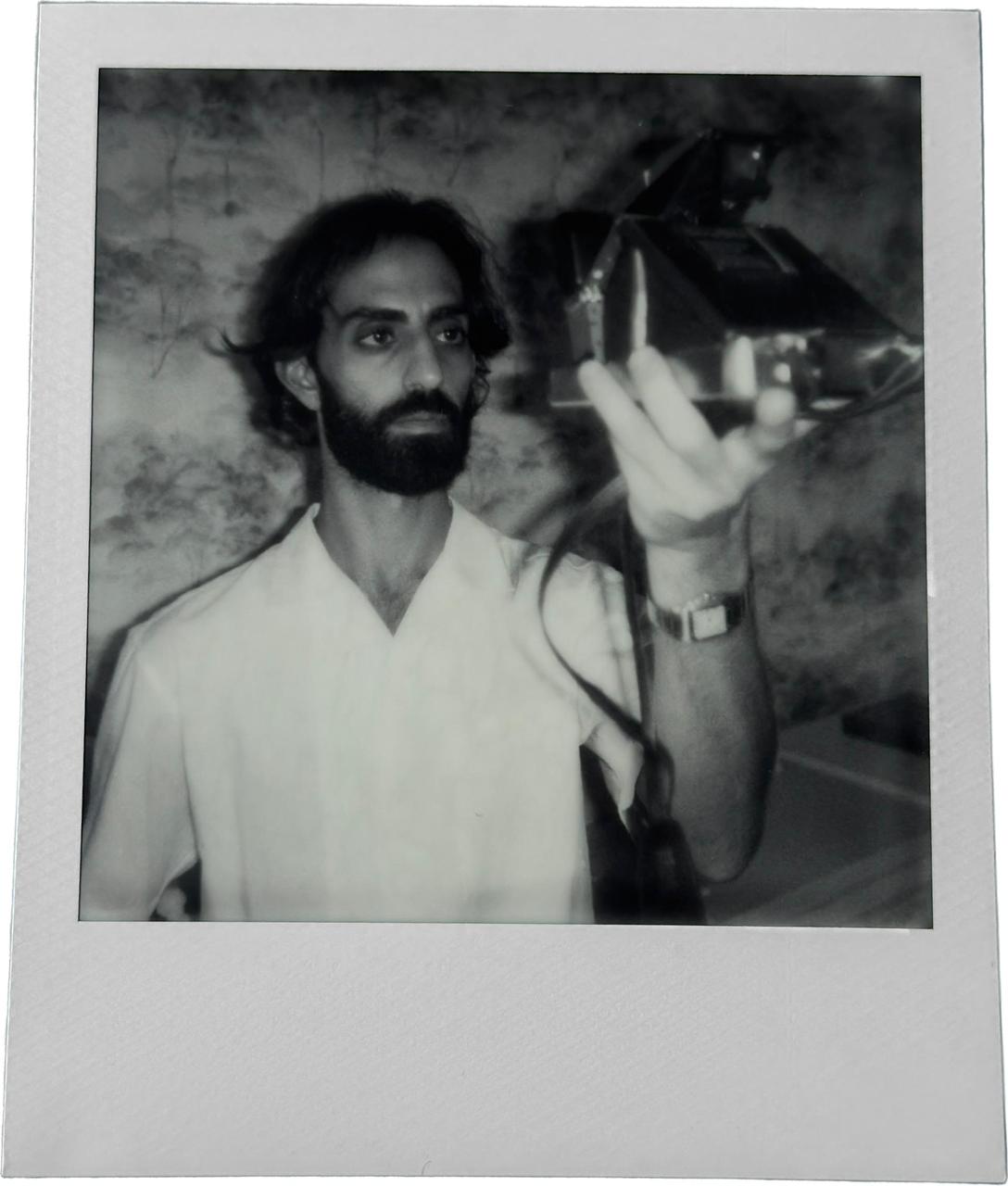
Beit Prod’s Prod Antzoulis on the Art of Honest Objects
- Nada Armanious
- Features
Beit Prod, more than an e-commerce platform or a curated collection of objects, is a living archive of memory, geography, and emotion. Founded by photographer and creative director Prod Antzoulis, the brand draws from the textures of the Mediterranean and the Arab region, utilizing analog photographs, vintage decor, and story-driven collaborations. Each piece is deeply intentional, carrying the warmth of a place that feels both familiar and refreshing at the same time.
Rooted in Prod’s personal journey and cross-cultural identity, Beit Prod offers a state of mind as much as a lifestyle: a way of seeing, choosing, and living with things that feel honest. Through film photography, found objects, and small-run projects shaped by connection rather than mass production, Prod builds a world guided by nostalgia and sincerity.
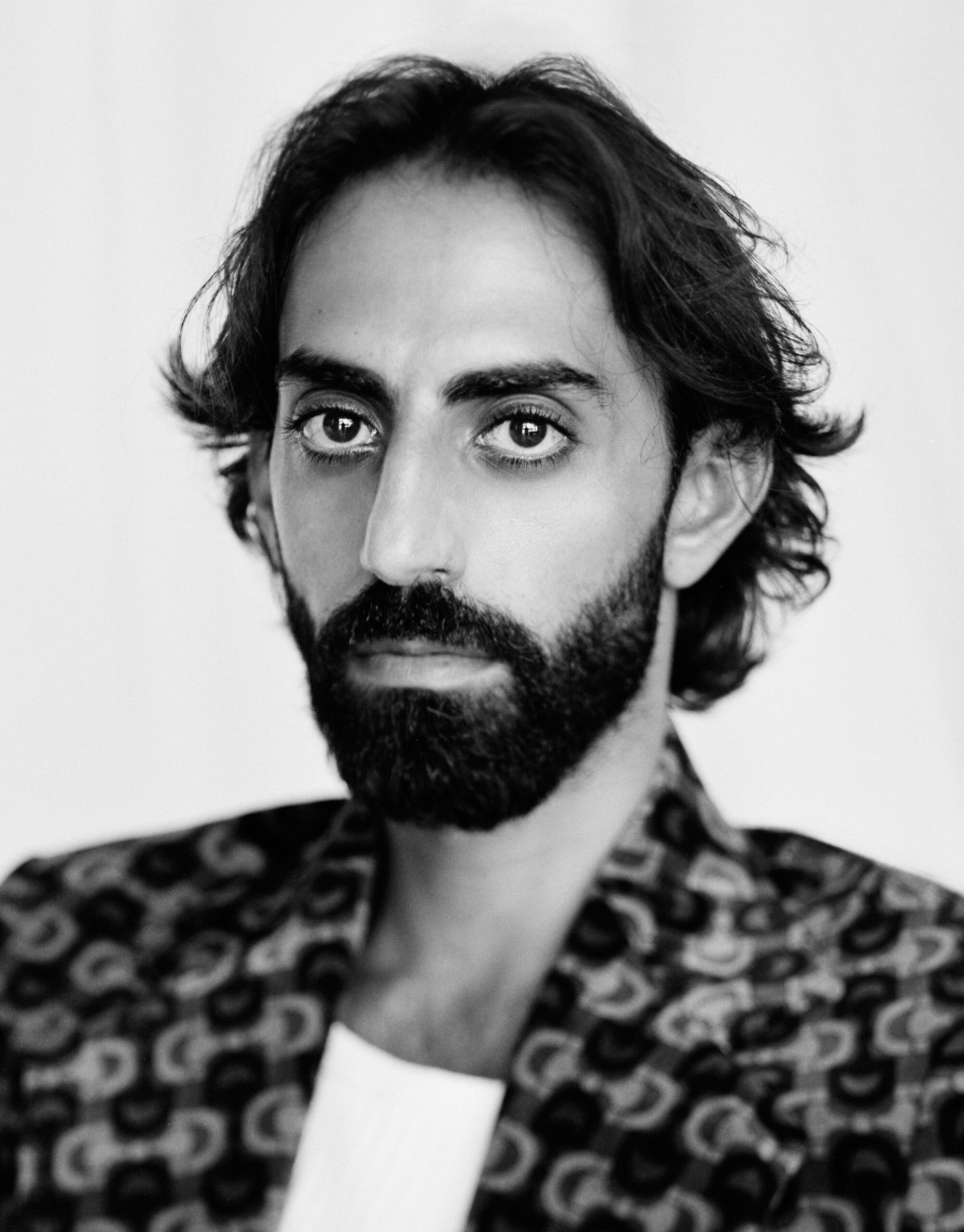
Photo provided by Beit Prod (credit on all photos)
In this conversation, he reflects on the memories that shaped Beit Prod, the emotional pull behind analog photography, the landscapes that continue to inspire him, and the importance of authenticity in every collaboration he pursues.
Beit Prod is rooted in memory and place. What made you realize that this brand needed to exist?
My intention with Beit prod, as with my photography, has always been to infuse storytelling into everything I do. Story is an essential part of my work. It turns objects and images into a feeling and a memory into something you can hold. Over time, I came to realize the importance of this even more when I saw that it started resonating with other people around me.
It also came from wanting a space where I had full creative freedom. Somewhere I could experiment, play, and explore without limitations or expectations. I truly believe every creative needs that outlet.
Beit Prod came to fruition when those two things aligned: the emotional pull of memory and the desire to build a world that I could shape with complete intention.
You’ve described Beit Prod as “a state of mind.” How would you define that state?
A state of mind is not about the objects themselves. It is about the intention behind them. It is about choosing things that feel lived in, not performed, things that carry emotional weight even when they are simple. It is a way of living that encourages stillness, sincerity, and the courage to surround yourself only with things that speak to you.
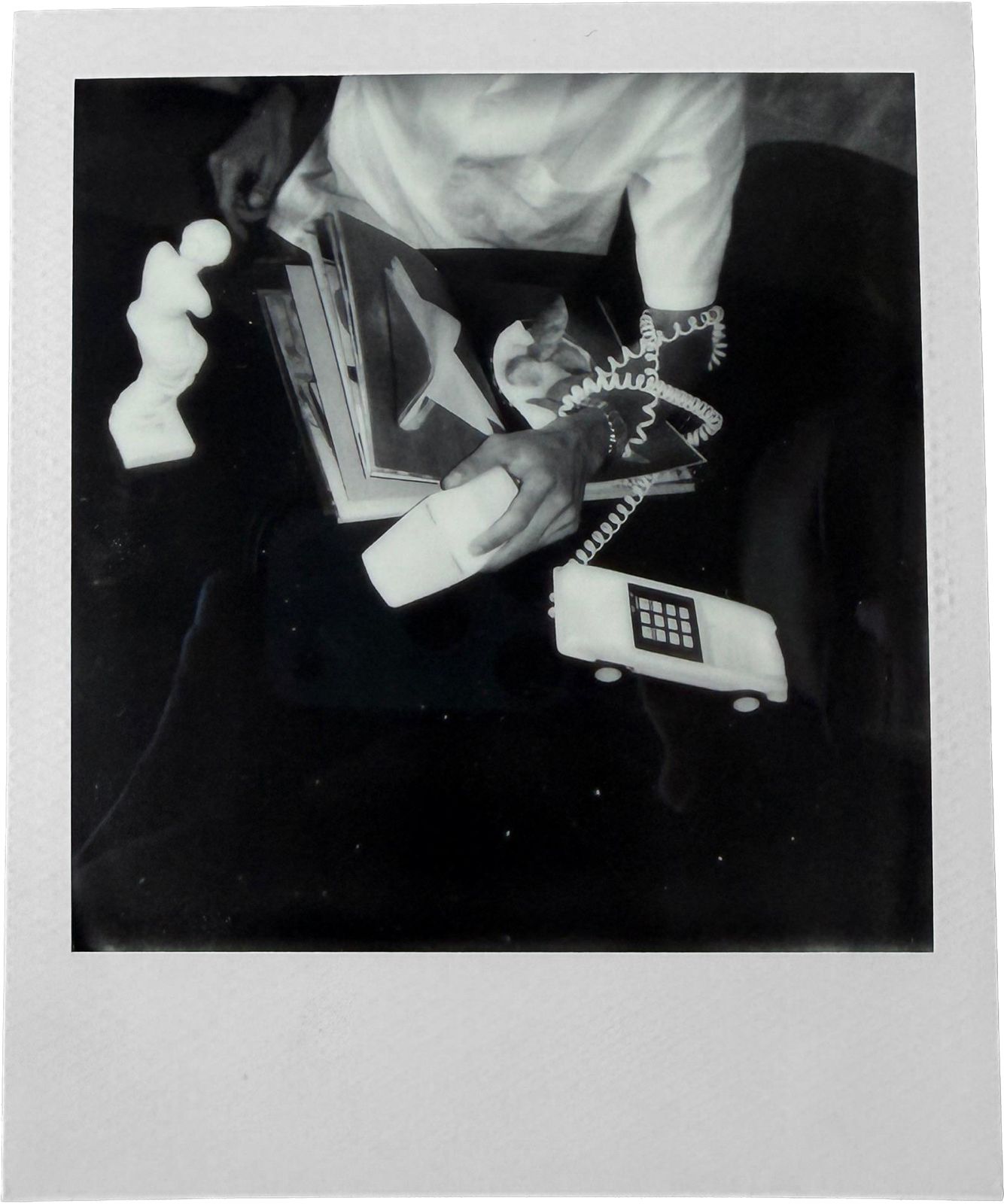
Photo provided by Beit Prod (credit on all photos)
Nostalgia seems to be central to your work, from analog photographs to vintage pieces. What does nostalgia mean to you personally and as a creator?
Nostalgia to me can be subjective to the time and place you’re living in. In this phase of my life, I don’t see it as a longing for the past as much as carrying a moment forward. Future nostalgia.
Analog photographs, vintage decor, and the textures of old spaces remind me that beauty comes from time, touch, and imperfection. This is why I choose a slower route, even when the world is constantly speeding up.
Which memory or visual from your personal archive would you say the soul of Beit Prod?
If I really had to choose what memory, it would have to be the feeling of driving along the Cypriot coastline — early morning light hitting the old houses, the uneven roads. There’s a silence in that landscape that brings so much peace to me. That’s the kind of feeling I hope to evoke through Beit Prod: this sense of stillness and being present.
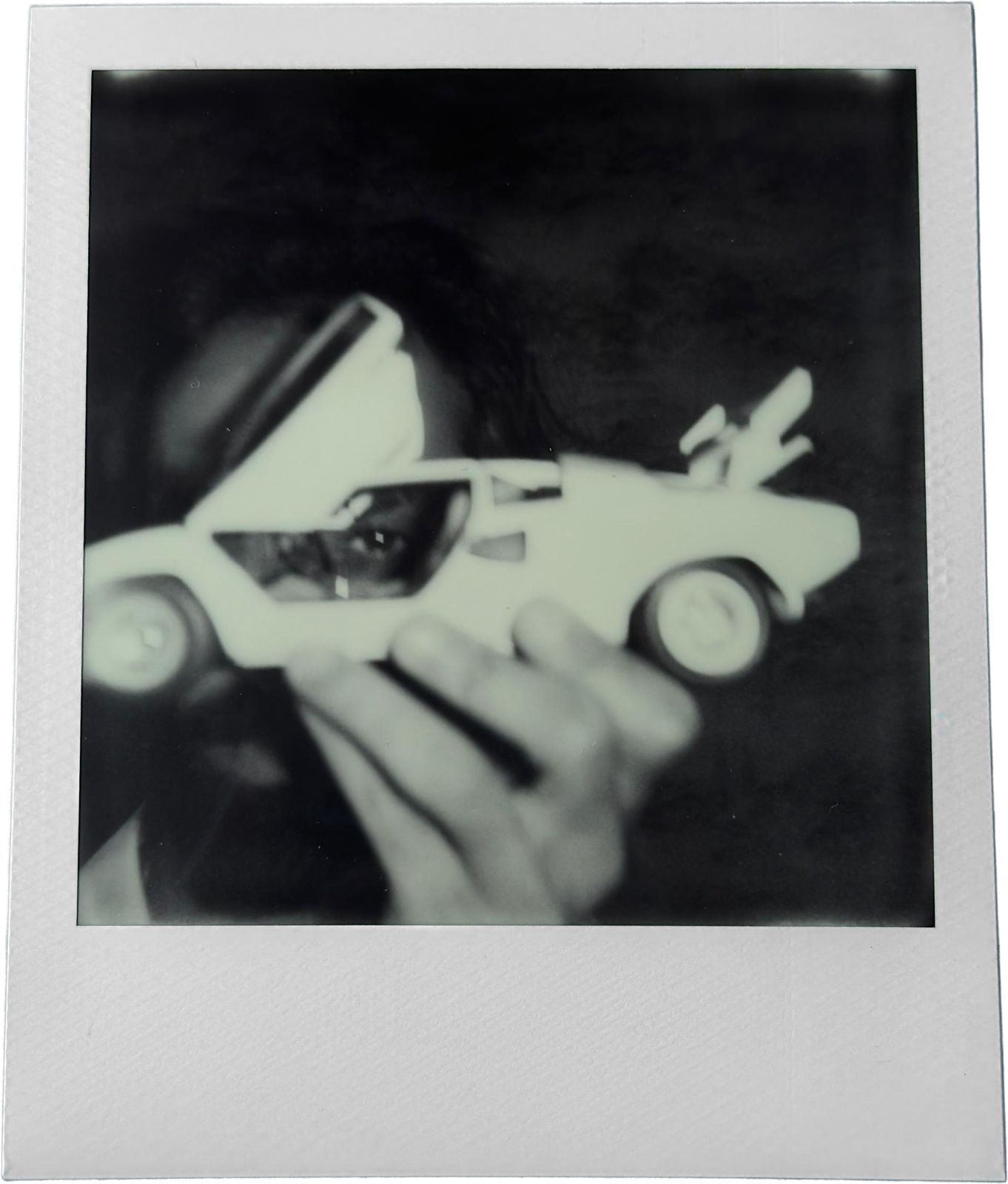
Photo provided by Beit Prod (credit on all photos)
You say the approach is simple: “choose things that feel honest.” What makes an object honest in your eyes?
What makes an object honest is that it is not designed to impress. It’s designed to exist. You feel it immediately; the weight, its shape, its design. There’s no performance, whether it’s an ashtray with all its imperfections or a photograph in Mar Mikhael captured on a roll of film. It’s when you give space for these objects to tell stories of where they came from and who they passed through. Many of these items were sourced from different places around the world, including the Middle East, Europe, and the US. There are so many memories tied to these objects, and that’s what I’m ultimately drawn to.
What keeps your committed to analog photograph in a digital era?
It slows down time for me, especially in the digital era, where everything is about immediacy and volume. Analog really forces the present moment. You only get a few frames, 10 to 15, so you really learn to see, not just shoot, when you’re working with a talent. Analog just has an emotional depth that mirrors the way I experience life, imperfect, textured, and human, and it constantly reminds me of why I do what I do. It’s that. It’s all those elements.
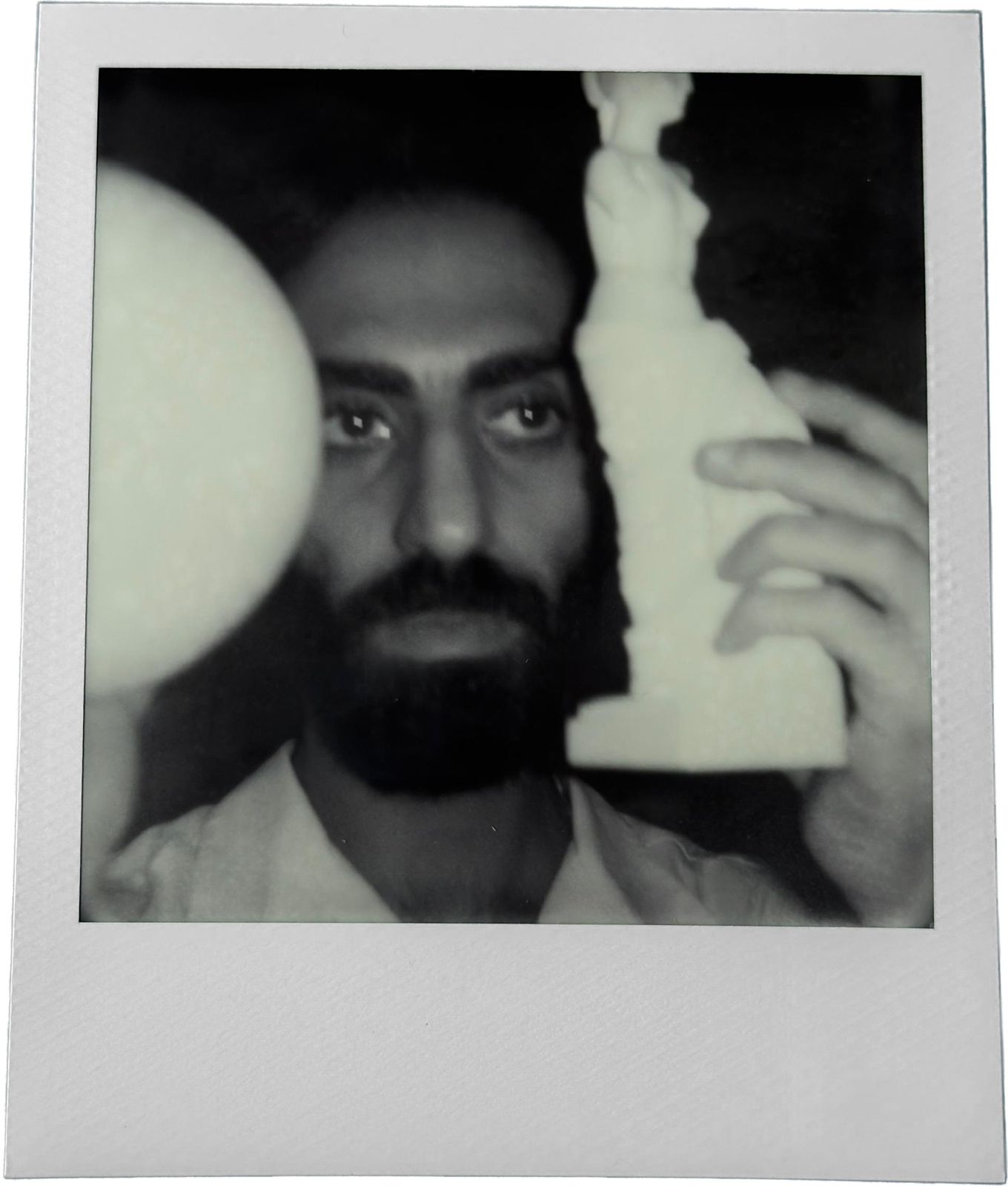
Photo provided by Beit Prod (credit on all photos)
Your images reflect the light, roads, and people of the Arab region and Mediterranean. What is it about this geography that draws your eye?
The colors in this part of the world have a very particular mood, muted, warm, and deeply familiar. I grew up between the Middle East and the Mediterranean, so these visuals weren’t just backgrounds to my life, they really shaped how I see today.
It taught me what it means to feel connected to a certain place and memory, how to value the way certain tones, textures, and moments can make you feel grounded without realizing it. It shaped my eye long before I realized I would become a photographer. My environments and upbringing really taught me to find value in everyday things, the way light moves across an old surface, the atmosphere of an early morning street.
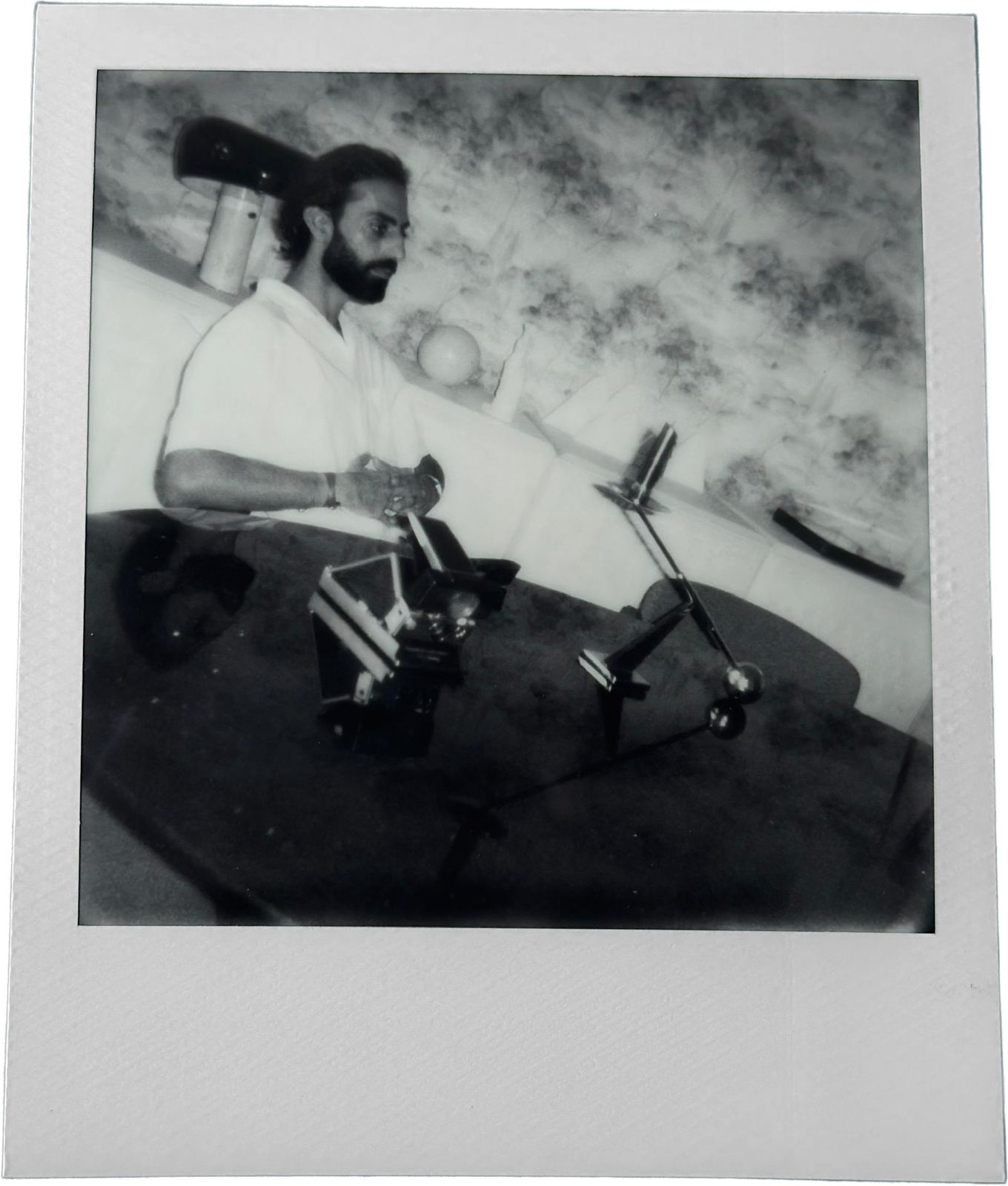
Photo provided by Beit Prod (credit on all photos)
How do you select collaborators, and what makes a collaboration feel authentic rather than commercial?
I’m drawn to creatives who create from the same place that I do, which is emotion first. When a collaboration is built on shared values, which are, you know, honesty, craft, and real respect for the objects or story we’re creating, that’s when it feels right to me. I value alignment in a collaboration. When both sides naturally flow and the energy is there, the outcome always feels real, no matter what the outcome is.